

Comfortable pumps with a flat heel
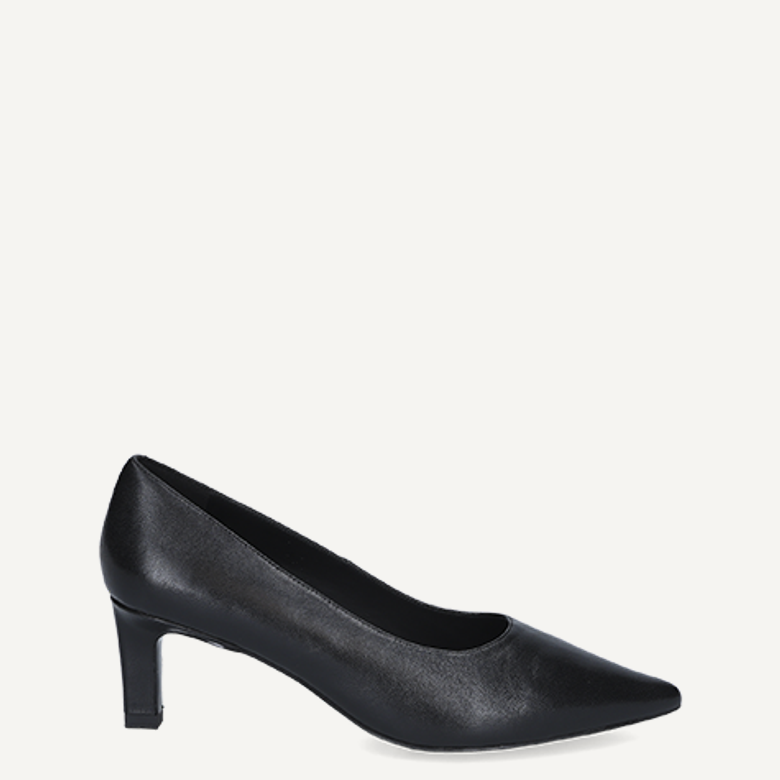
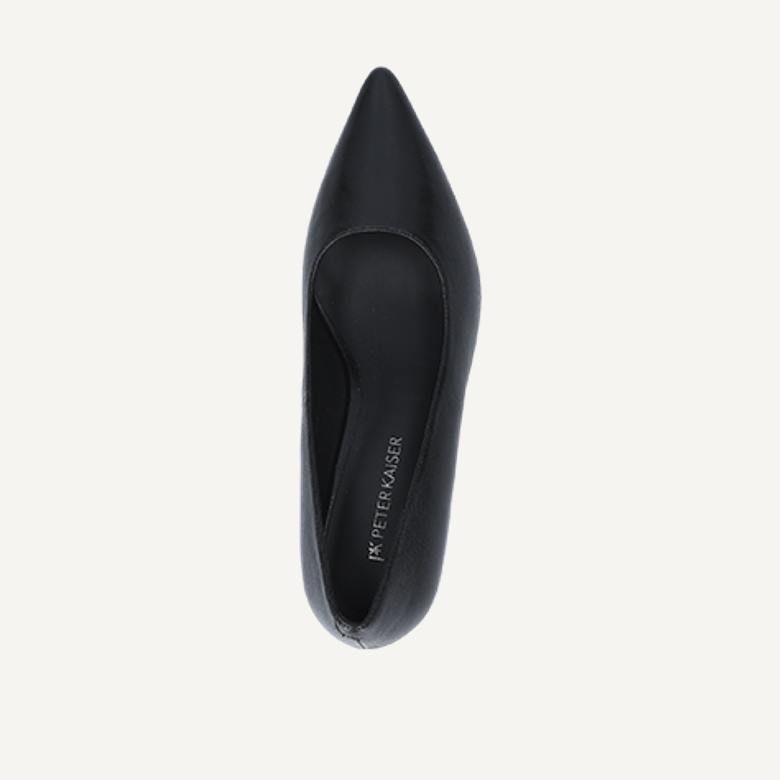
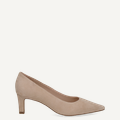
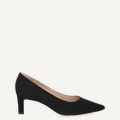
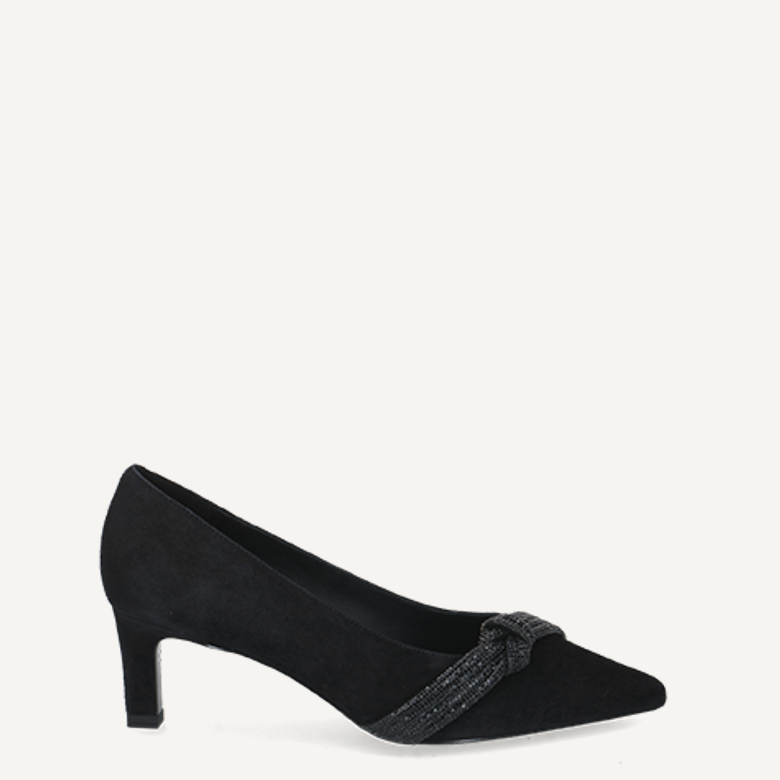
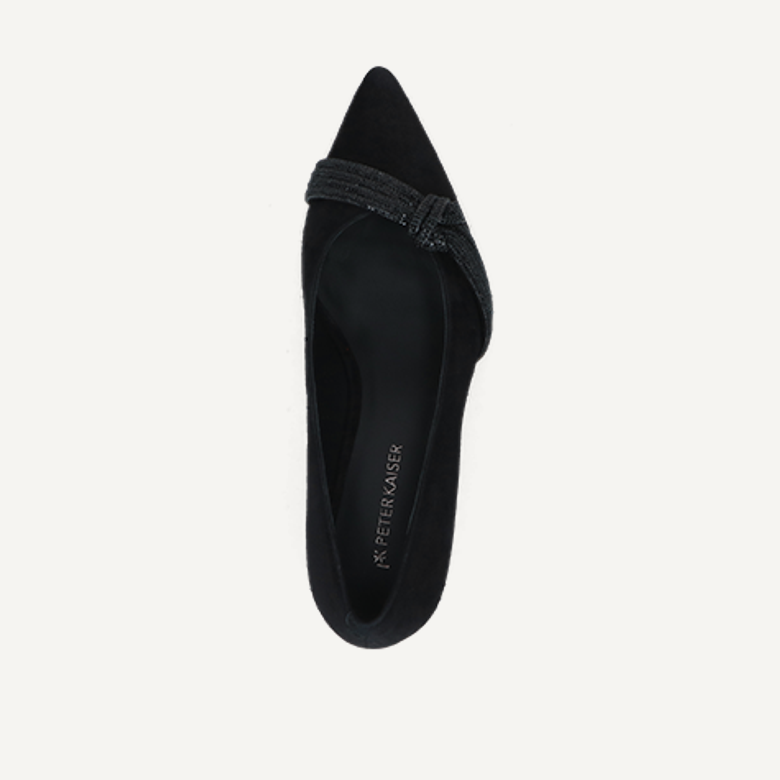
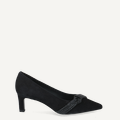
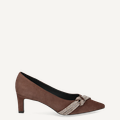
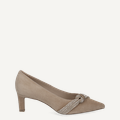
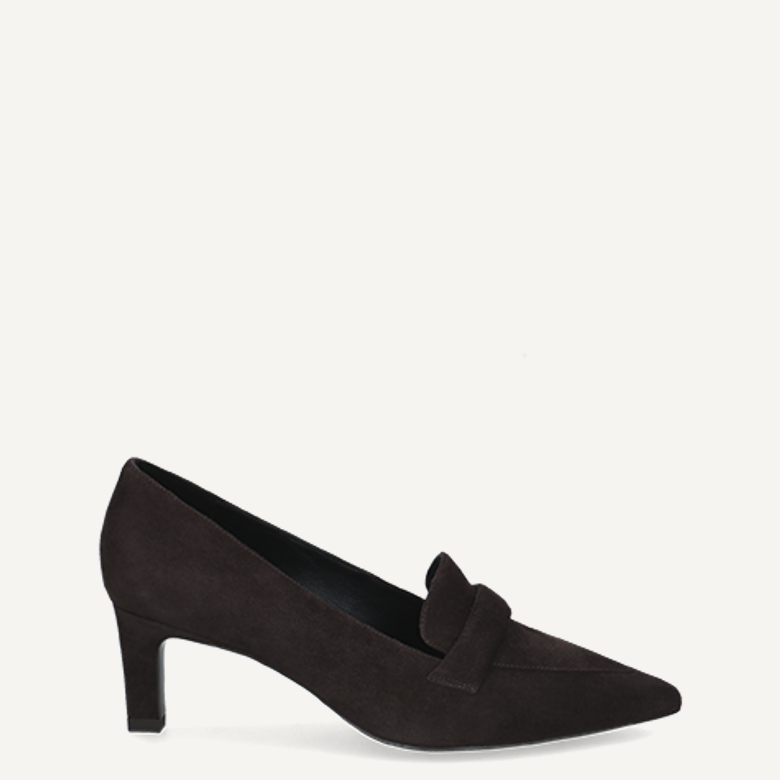
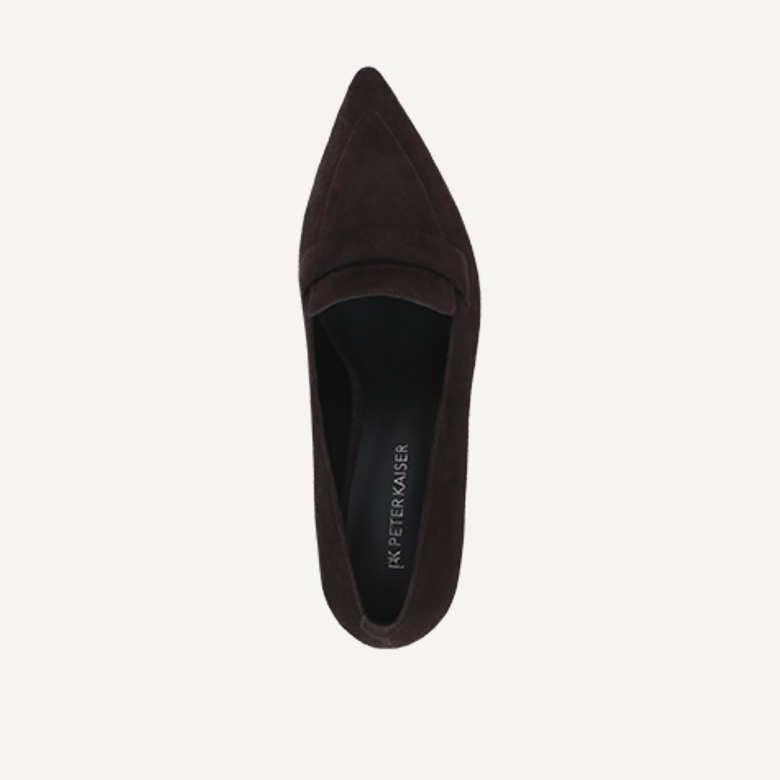
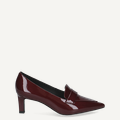
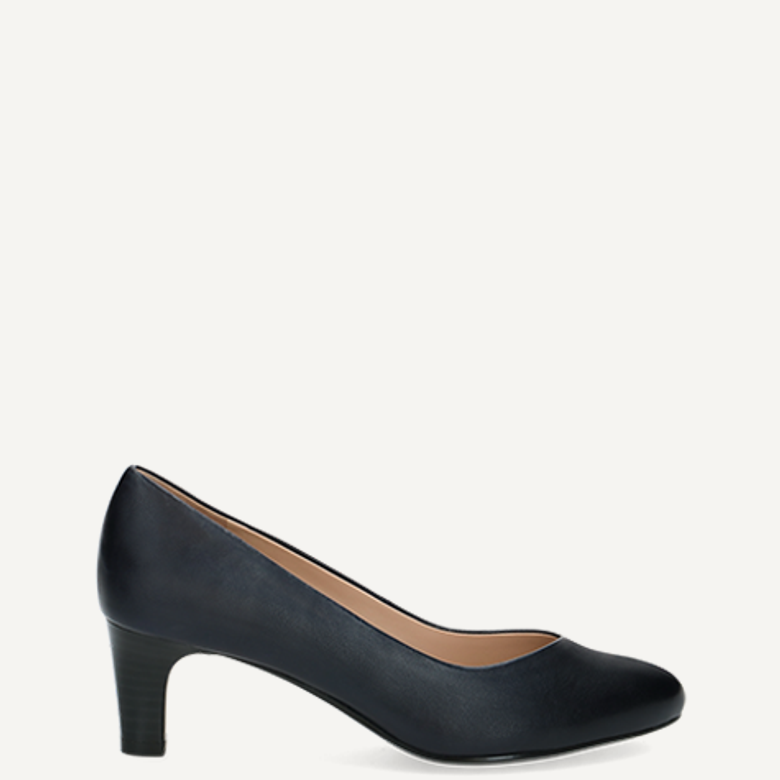
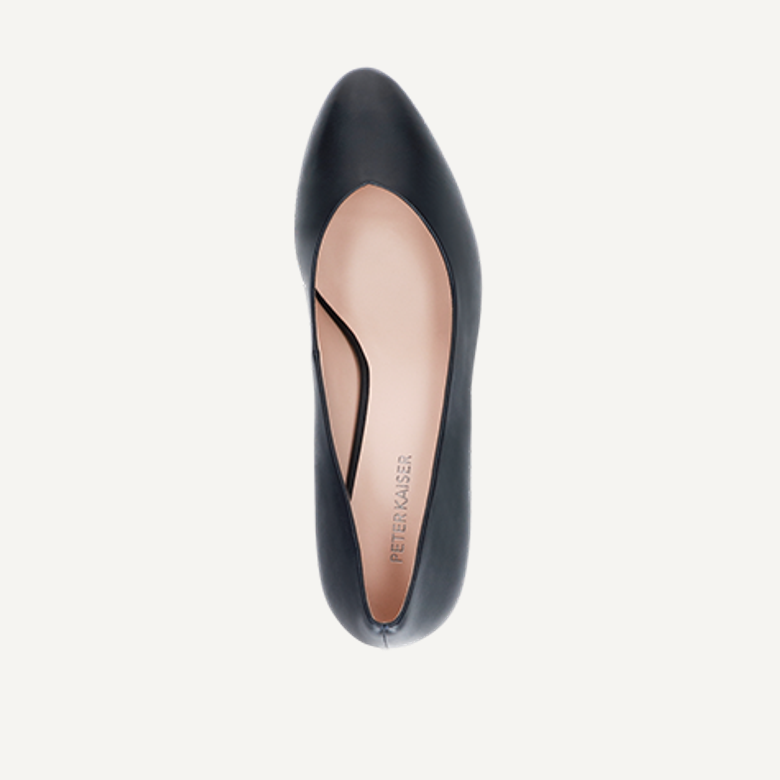
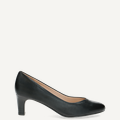
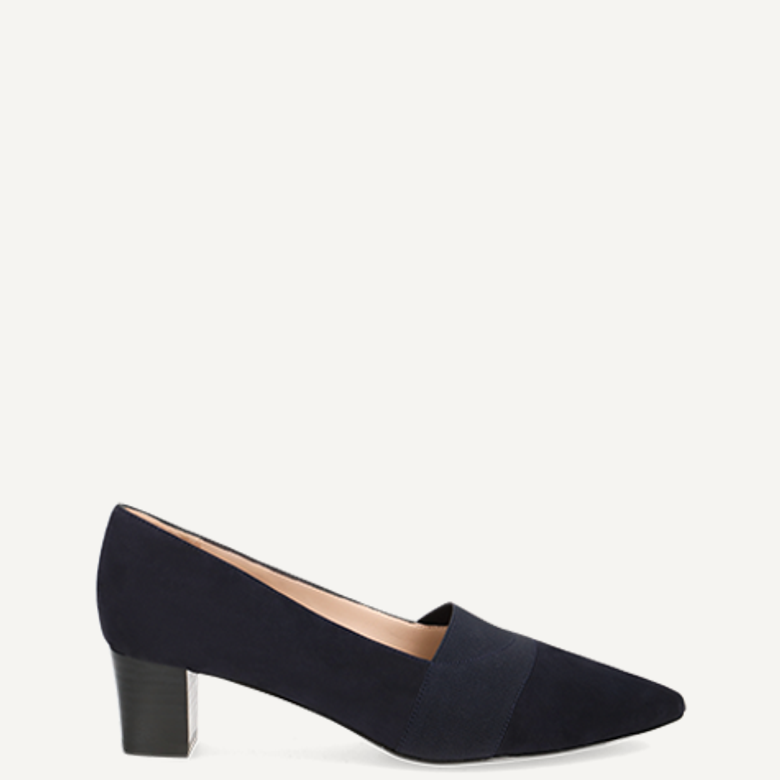
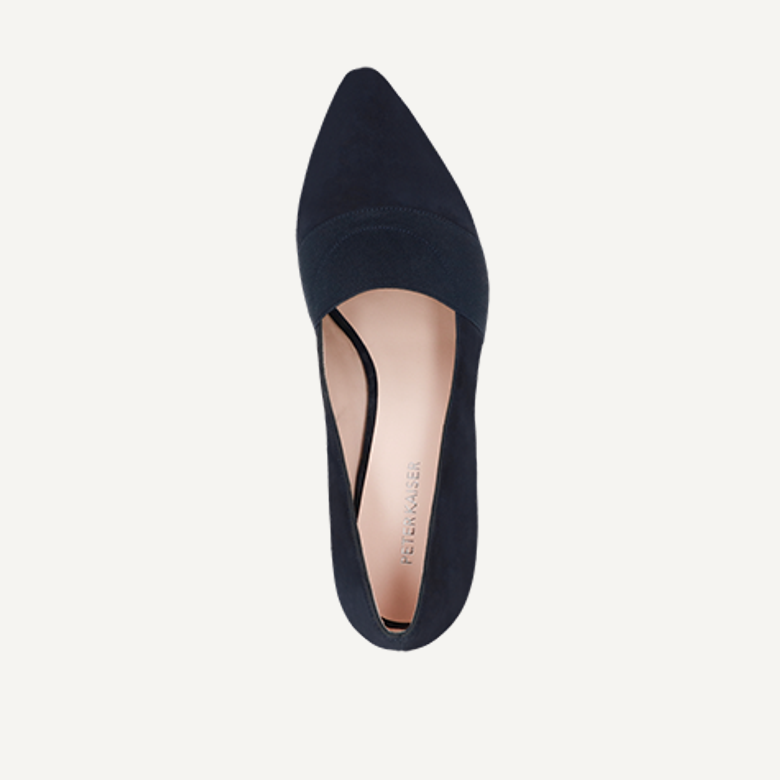
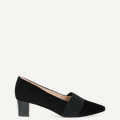
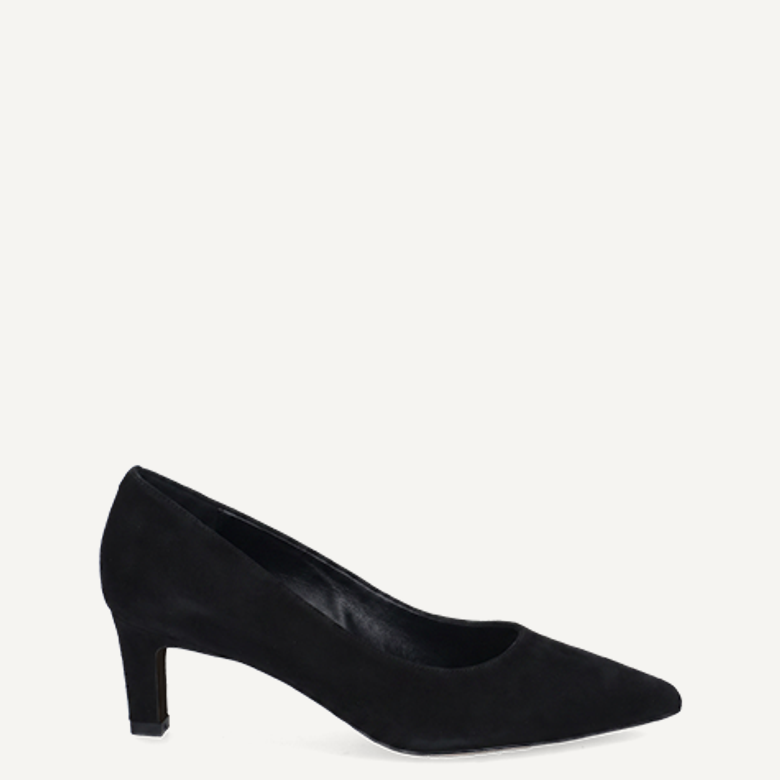
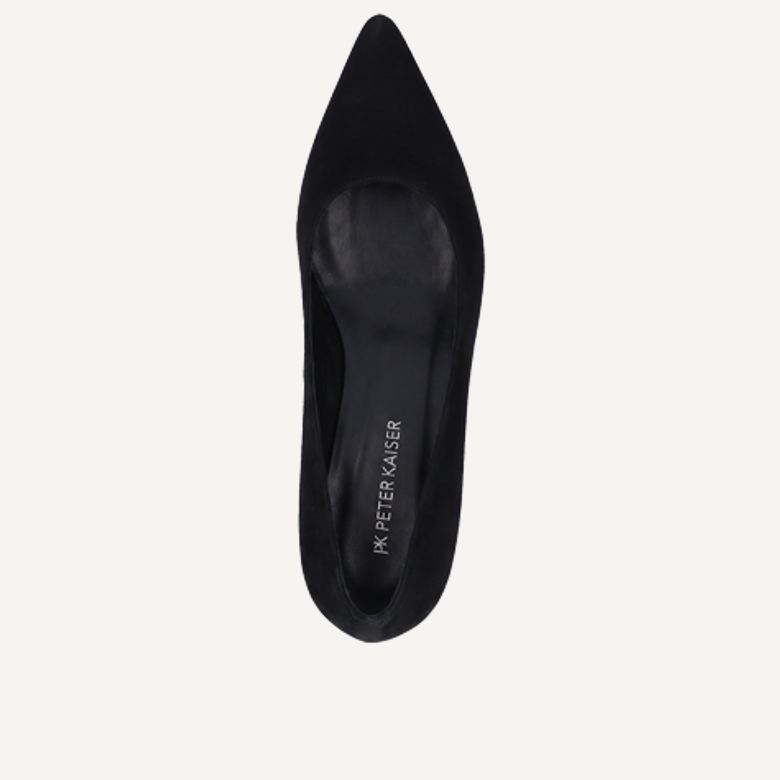
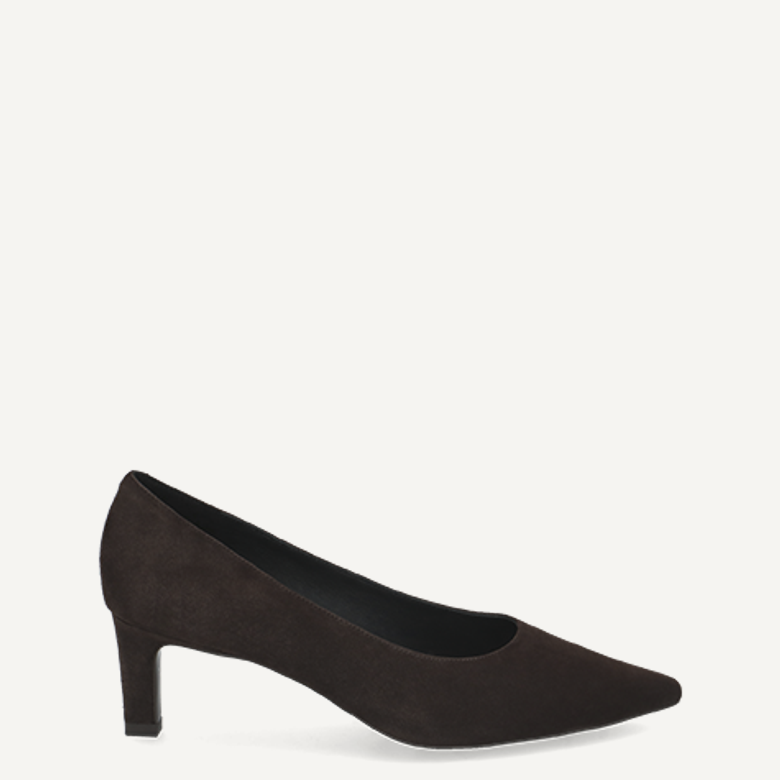
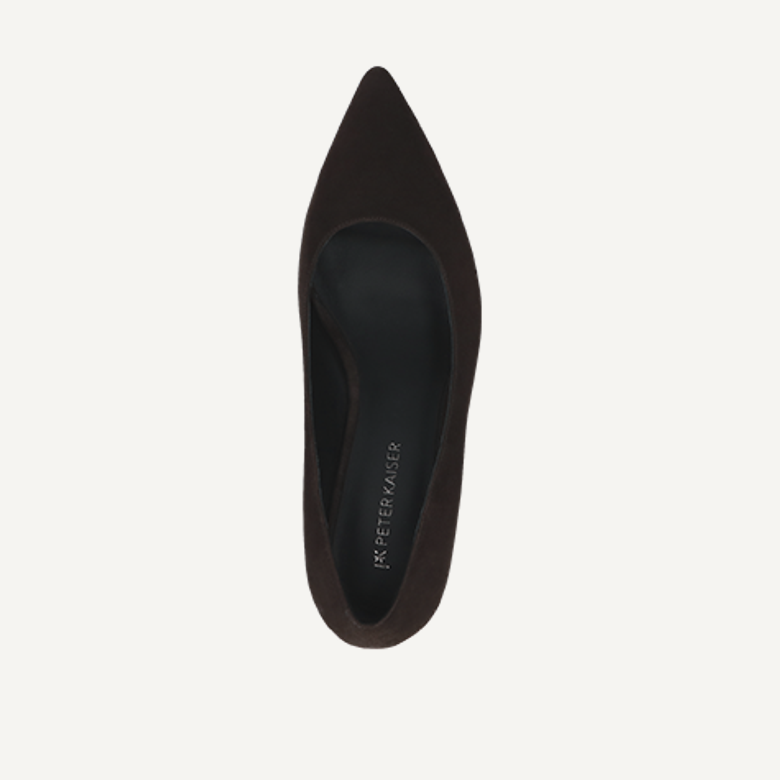
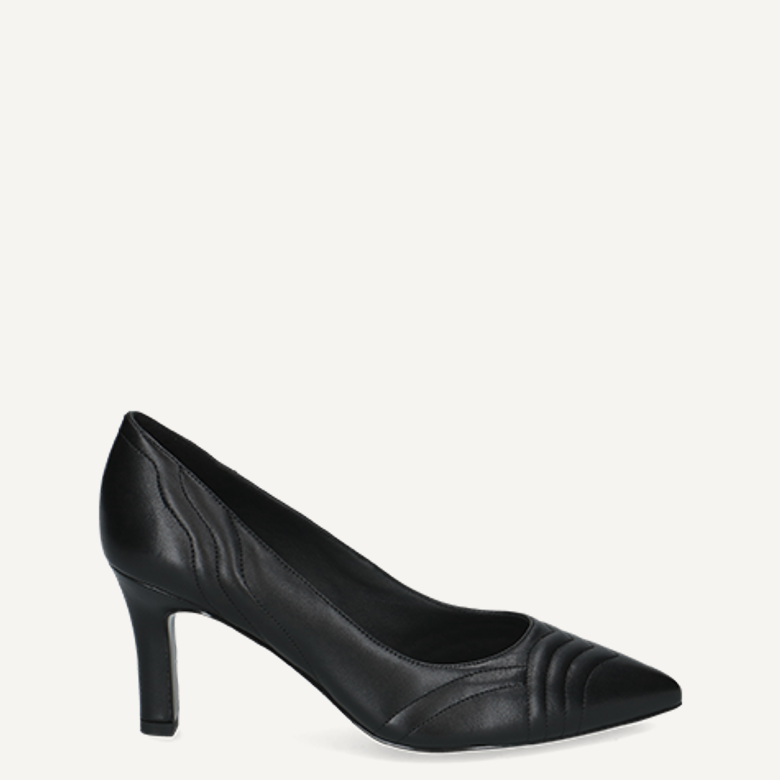
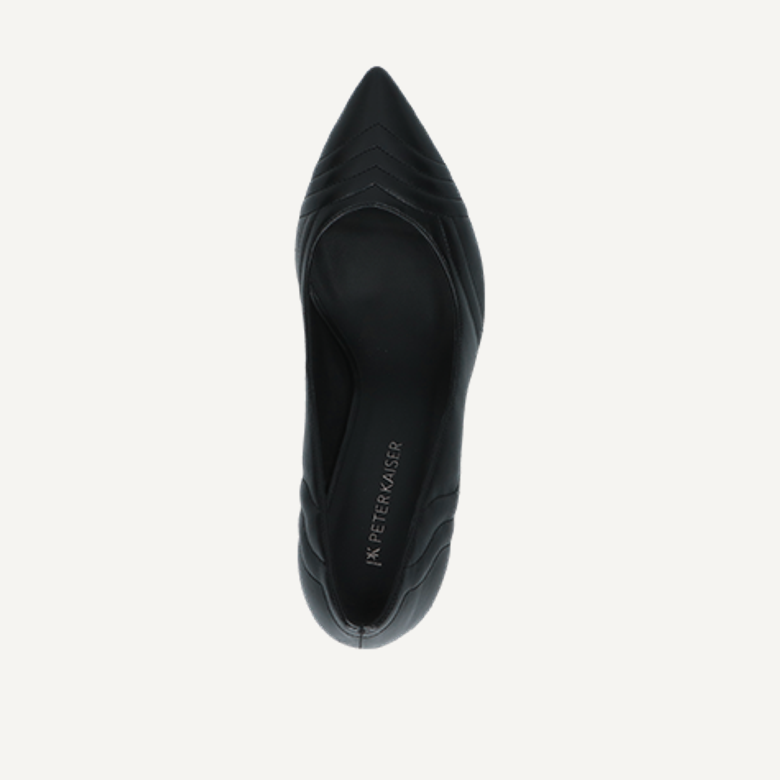
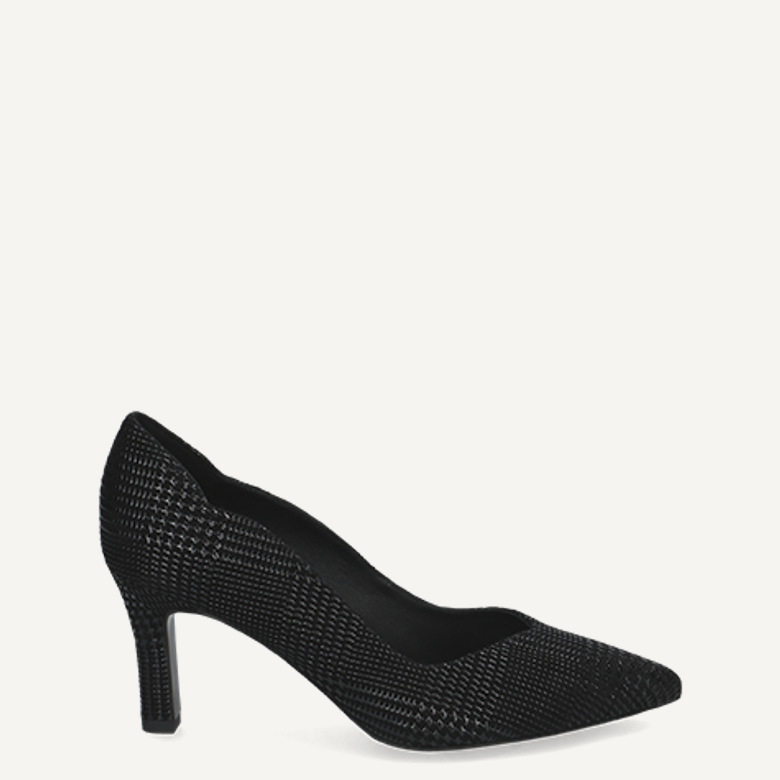
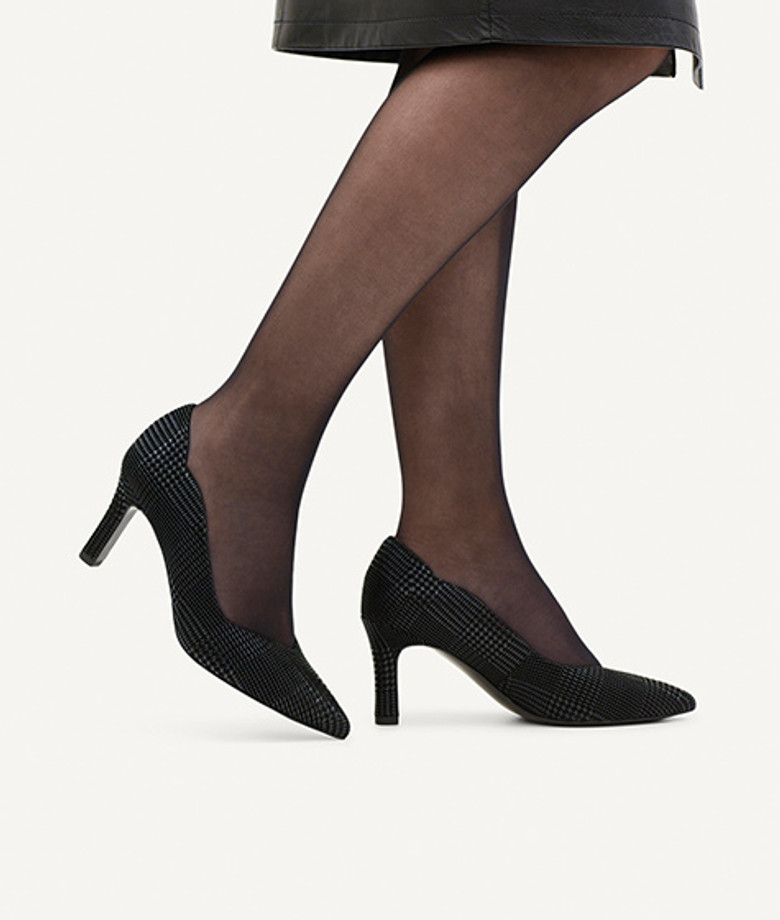
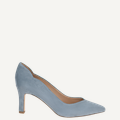
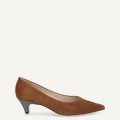
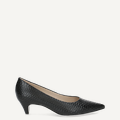
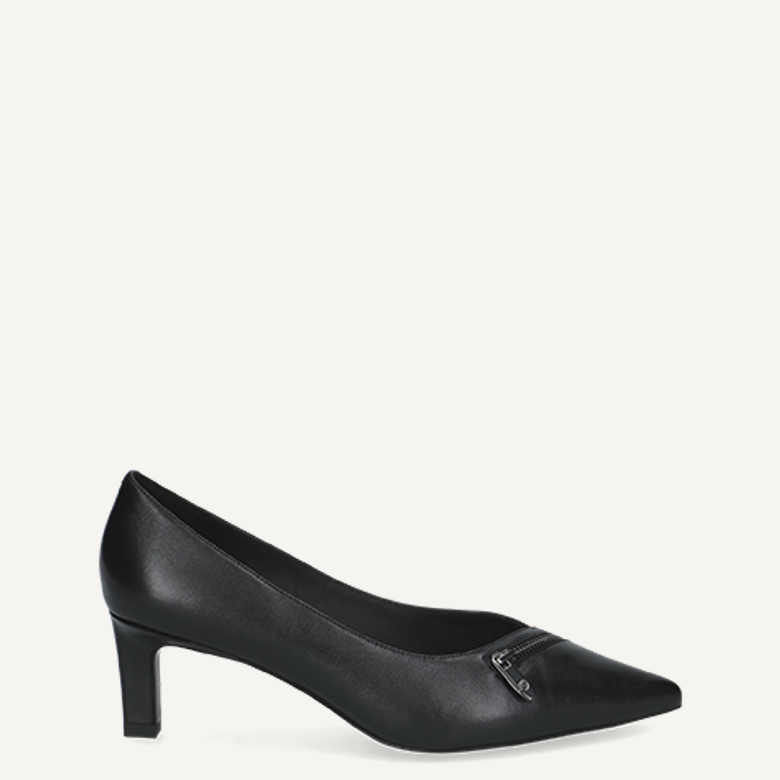
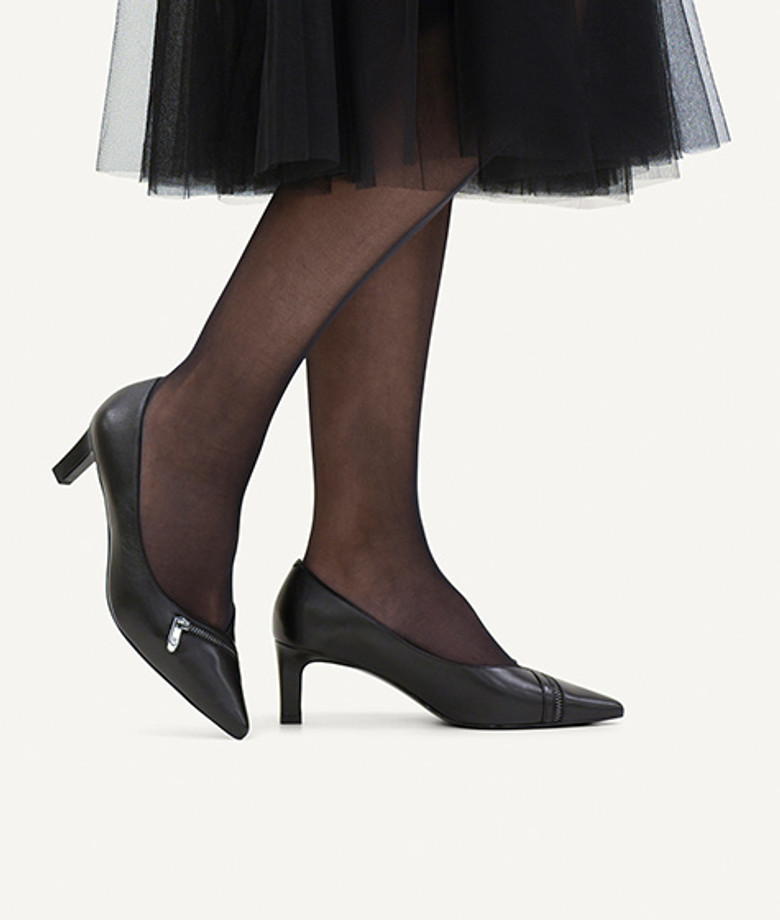
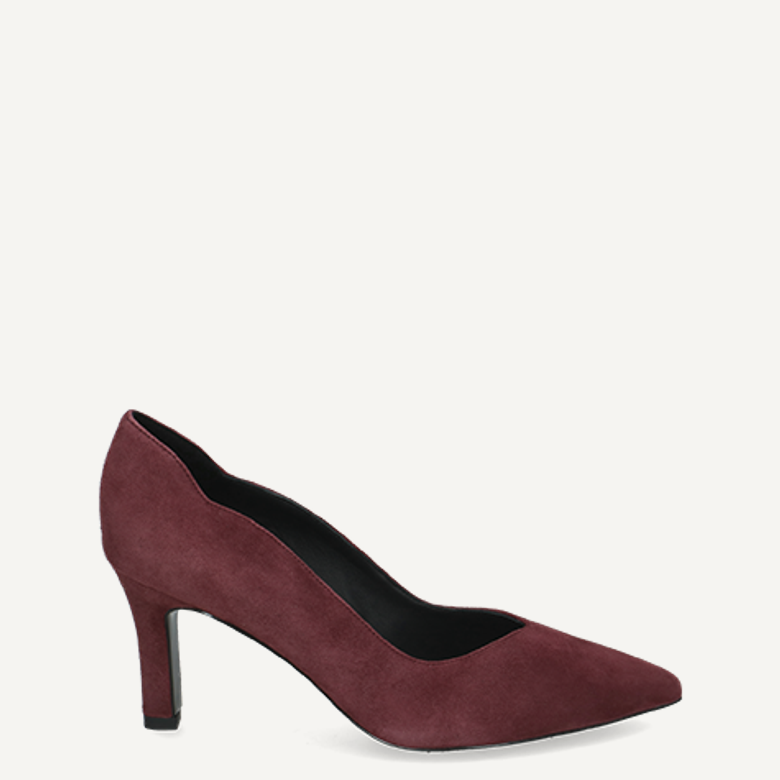
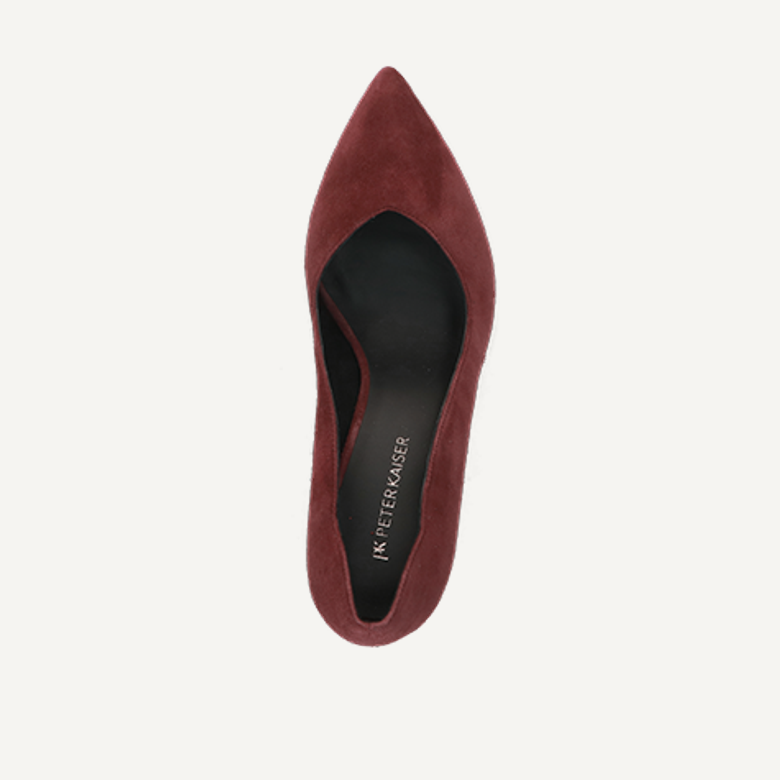
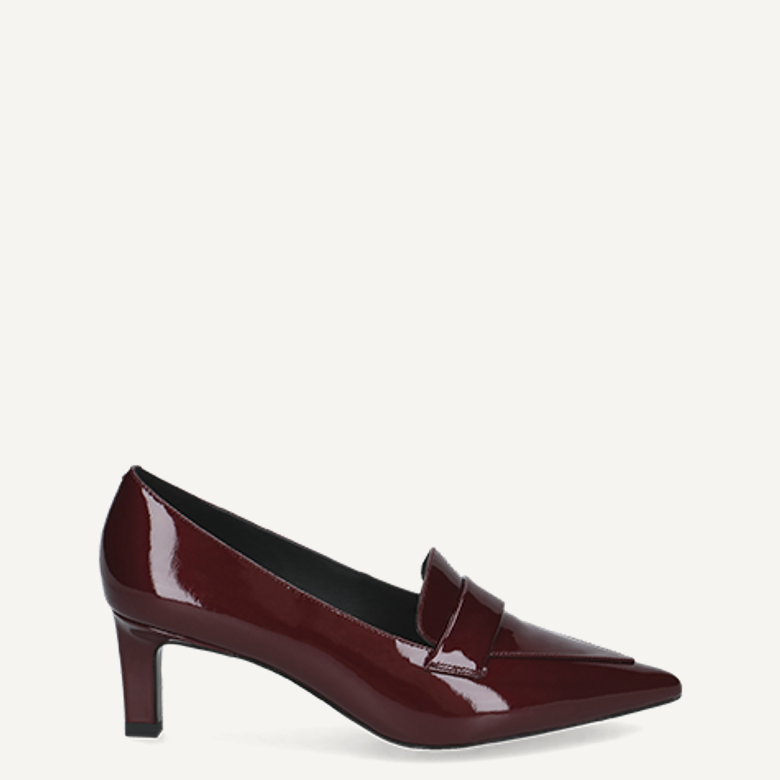
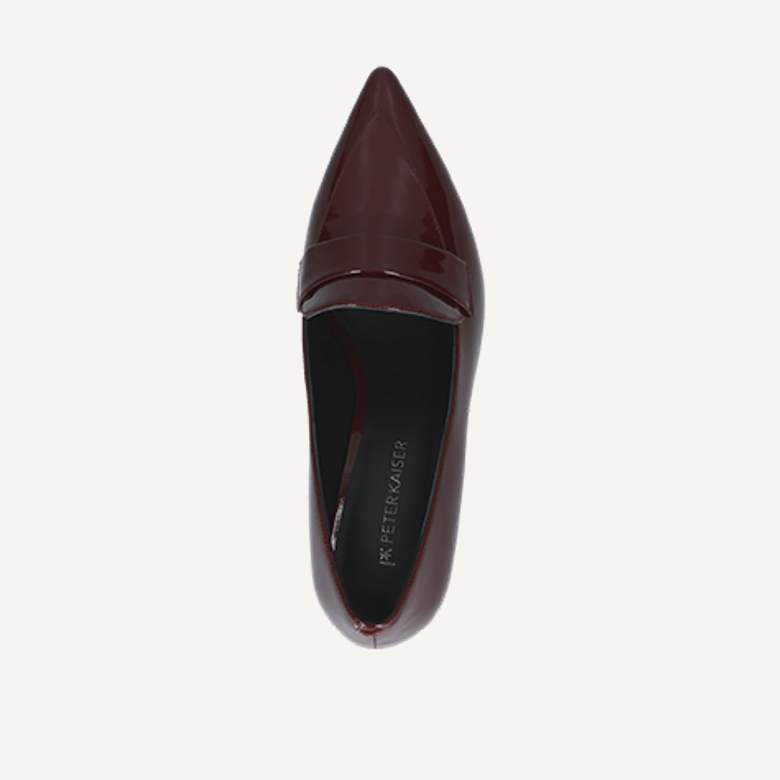
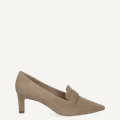
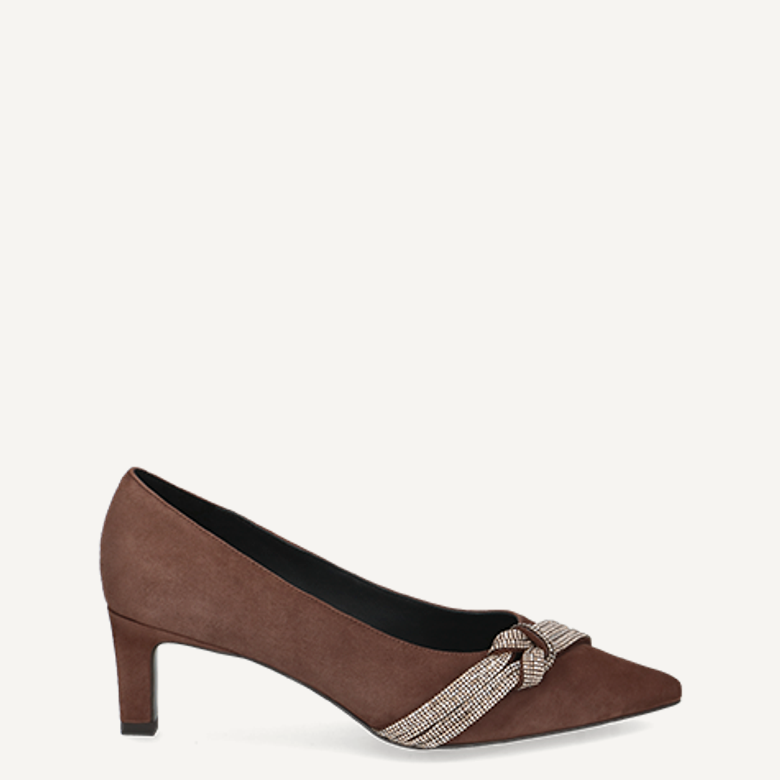
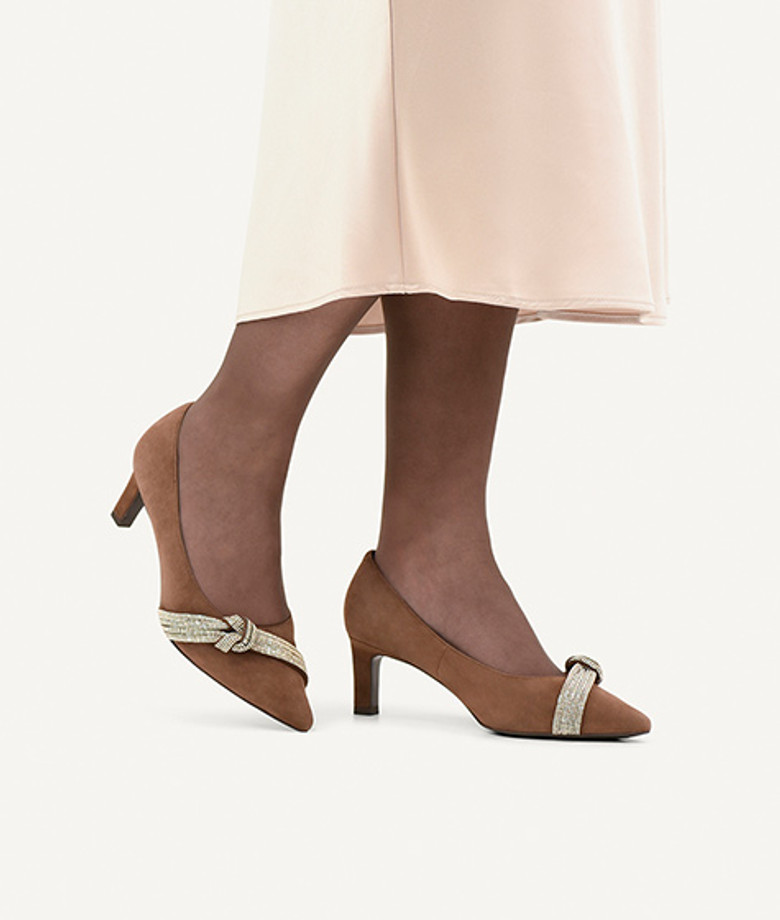
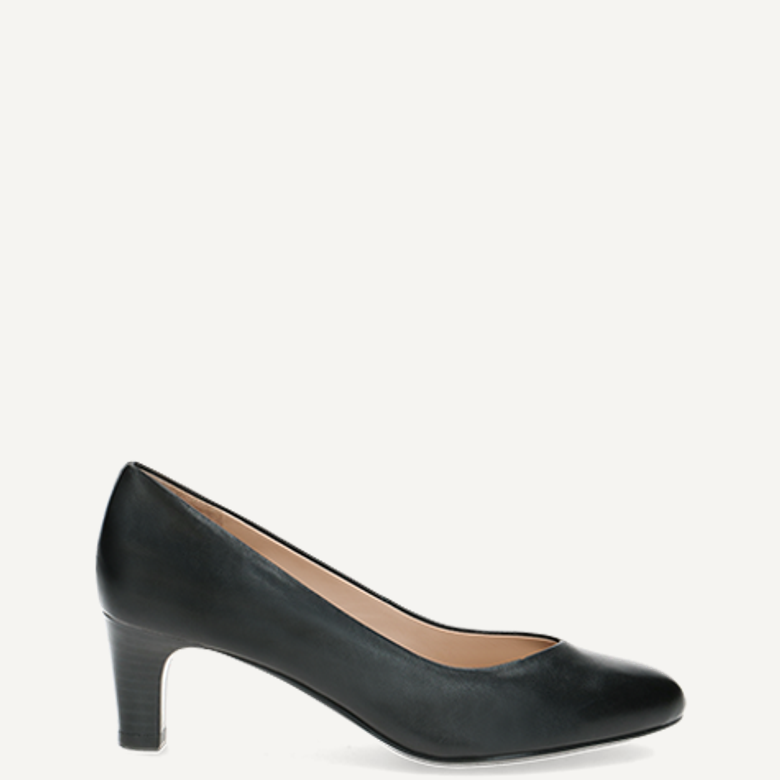
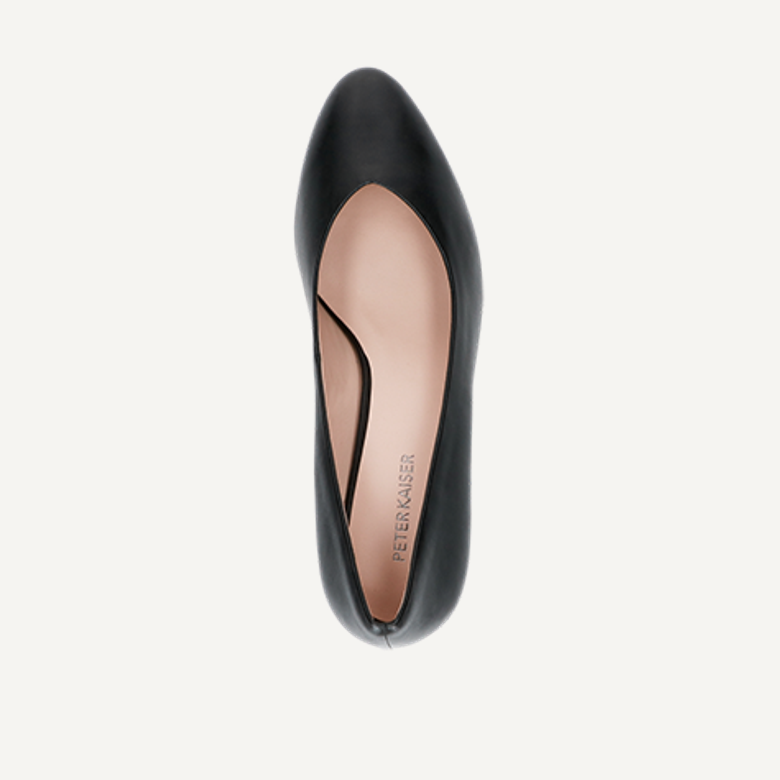
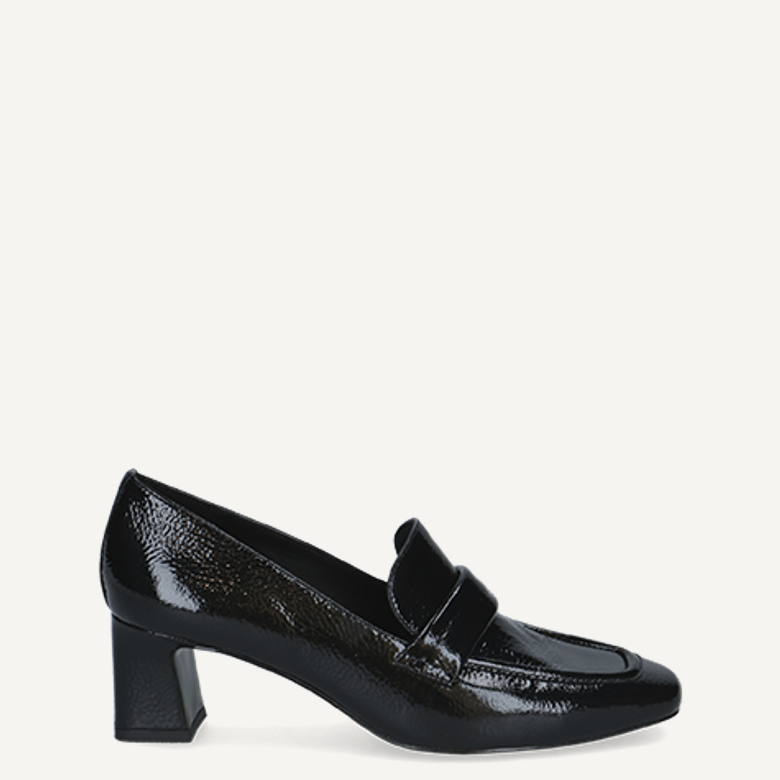
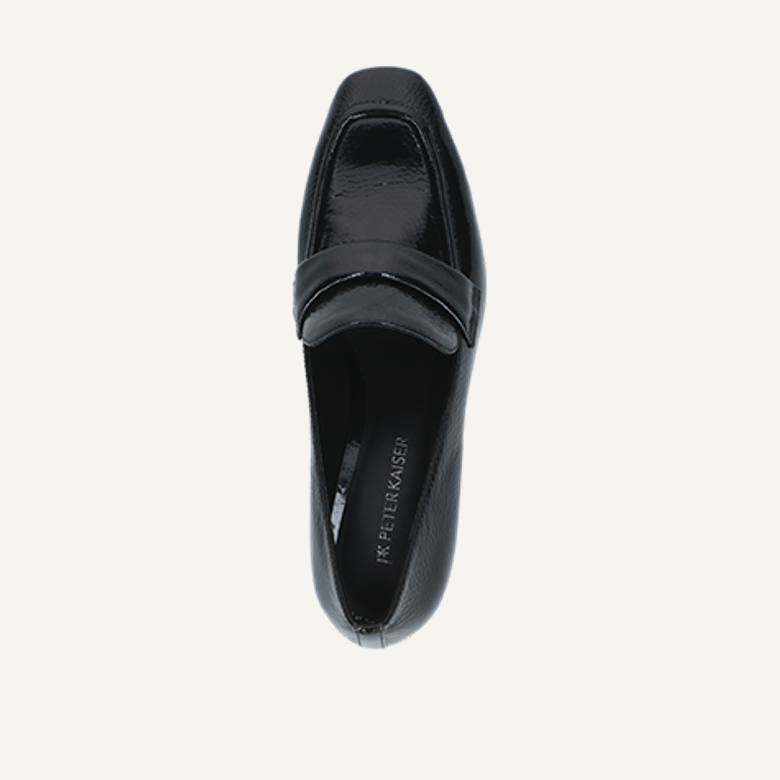
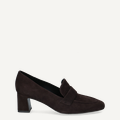
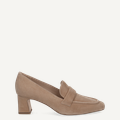
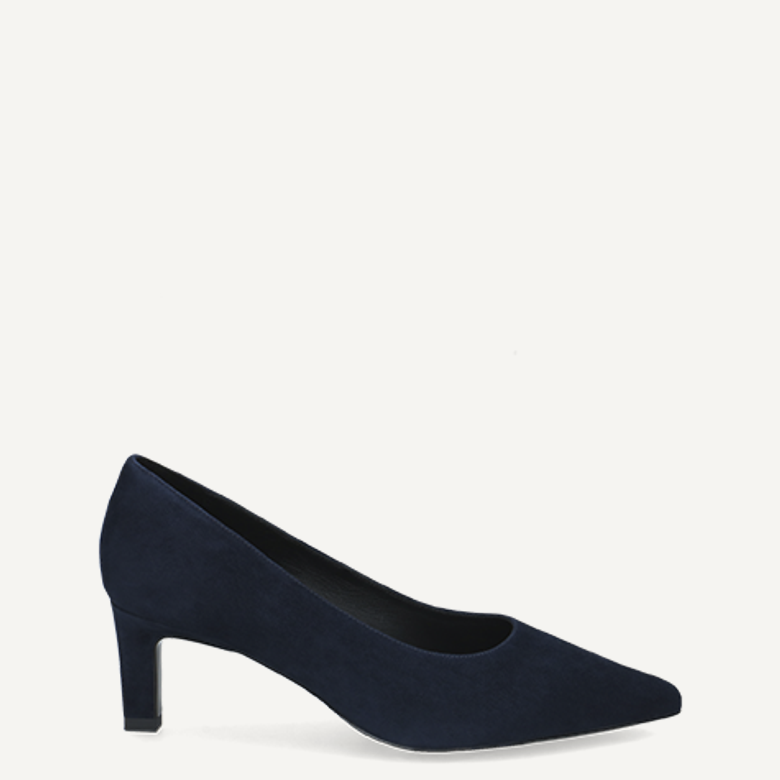
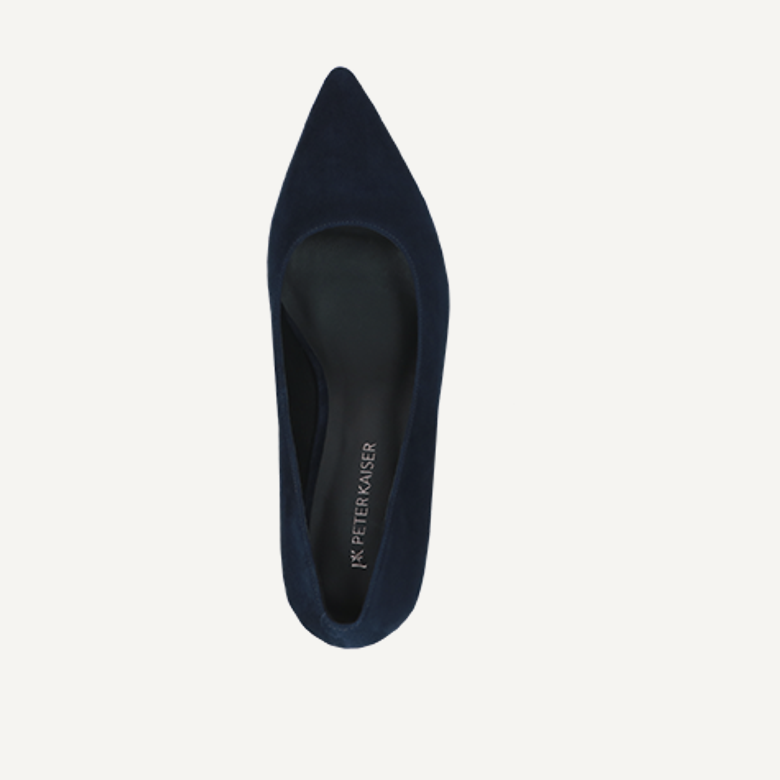
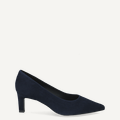
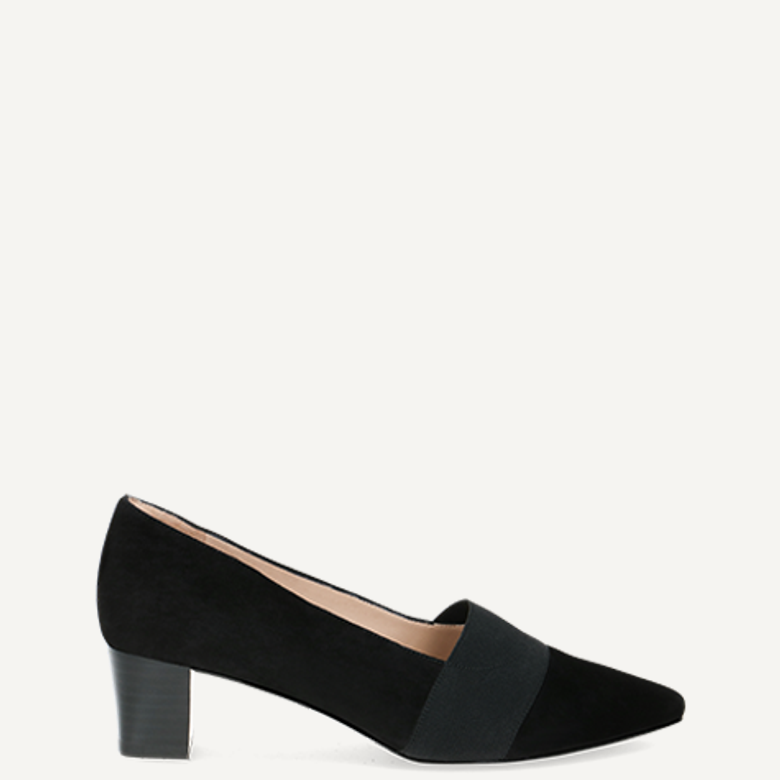
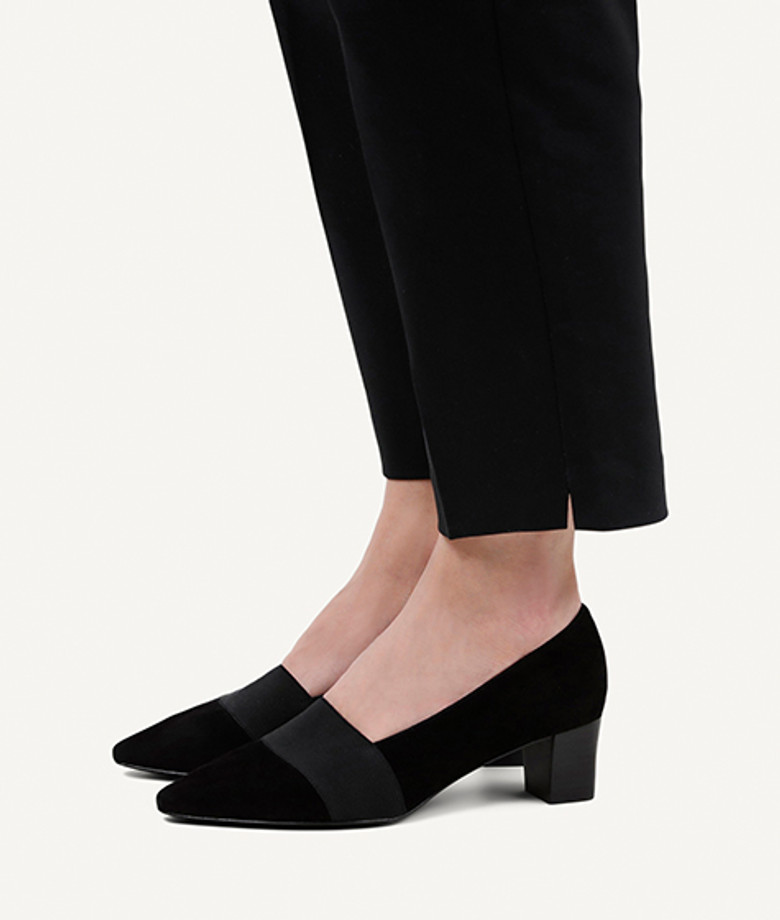
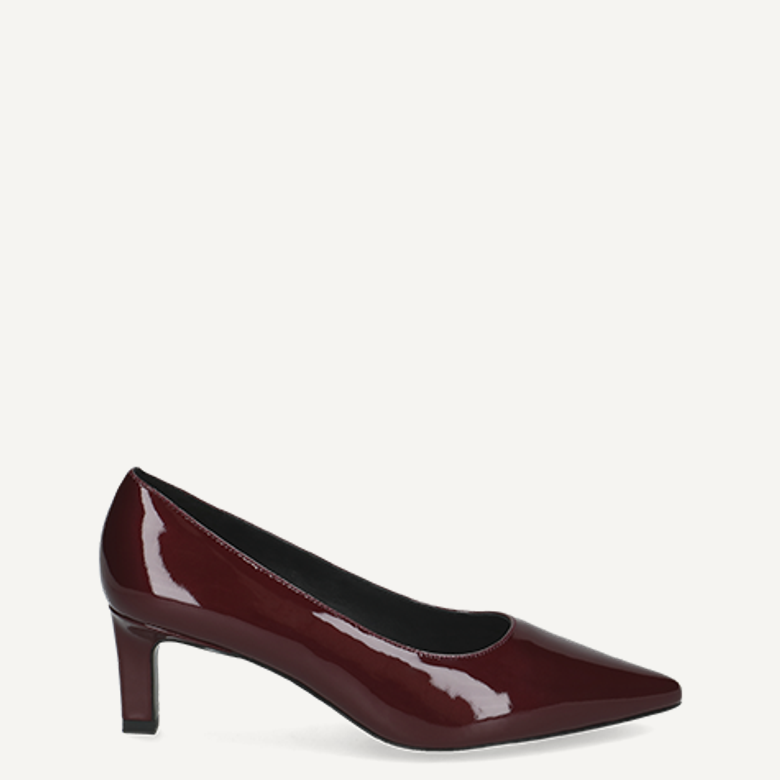
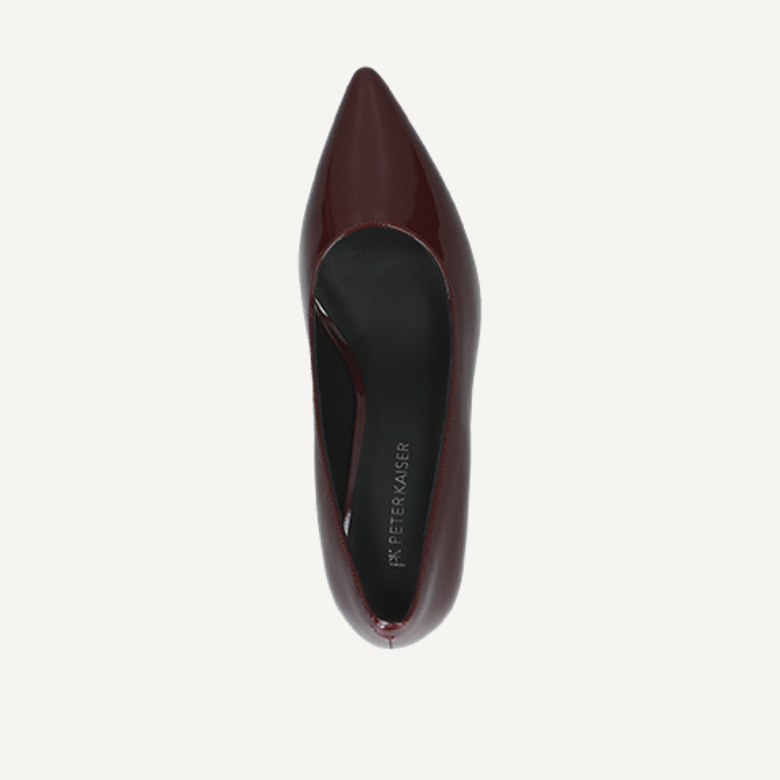
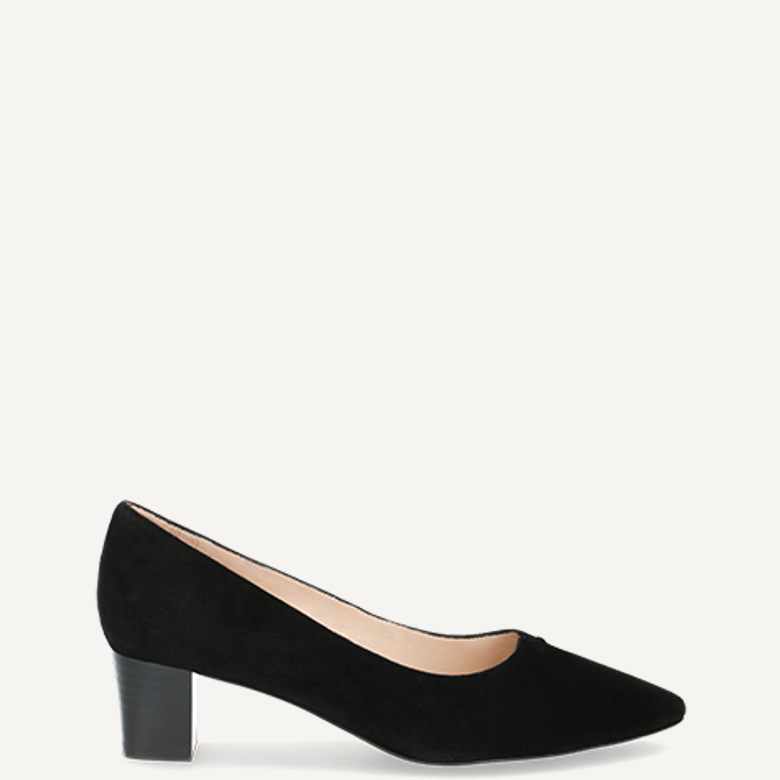
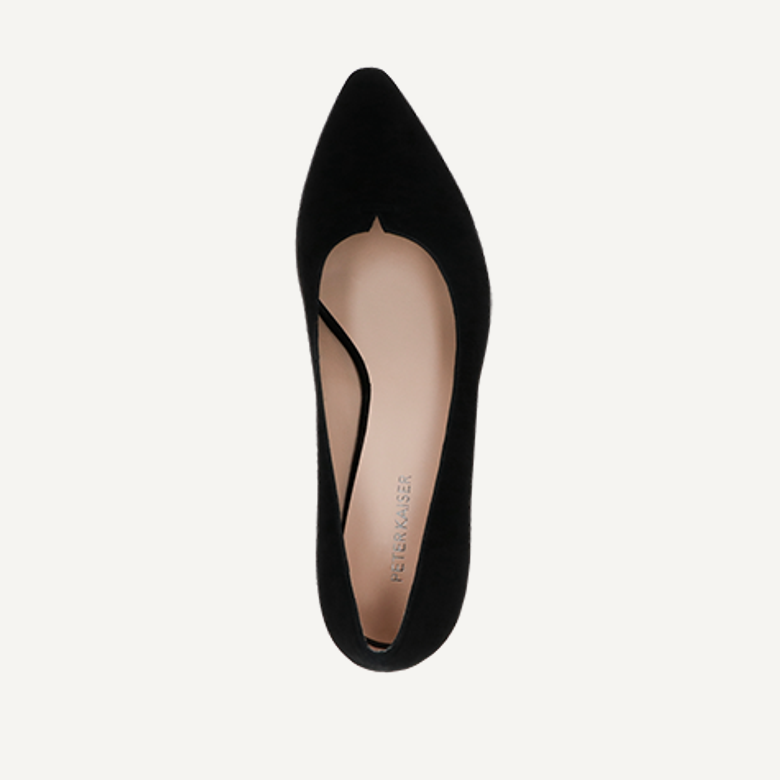
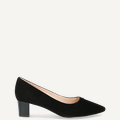
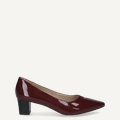
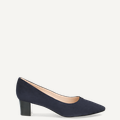
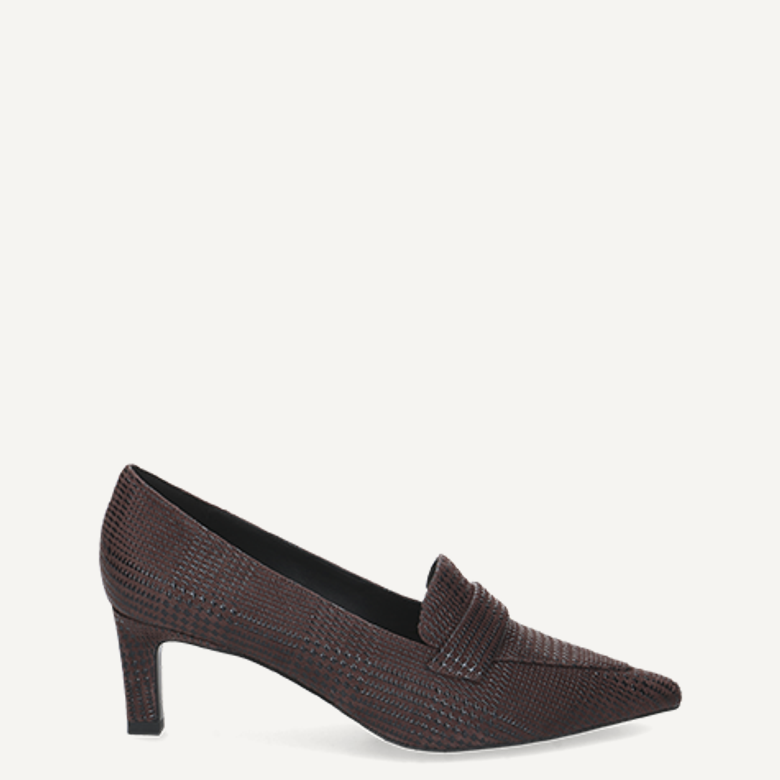
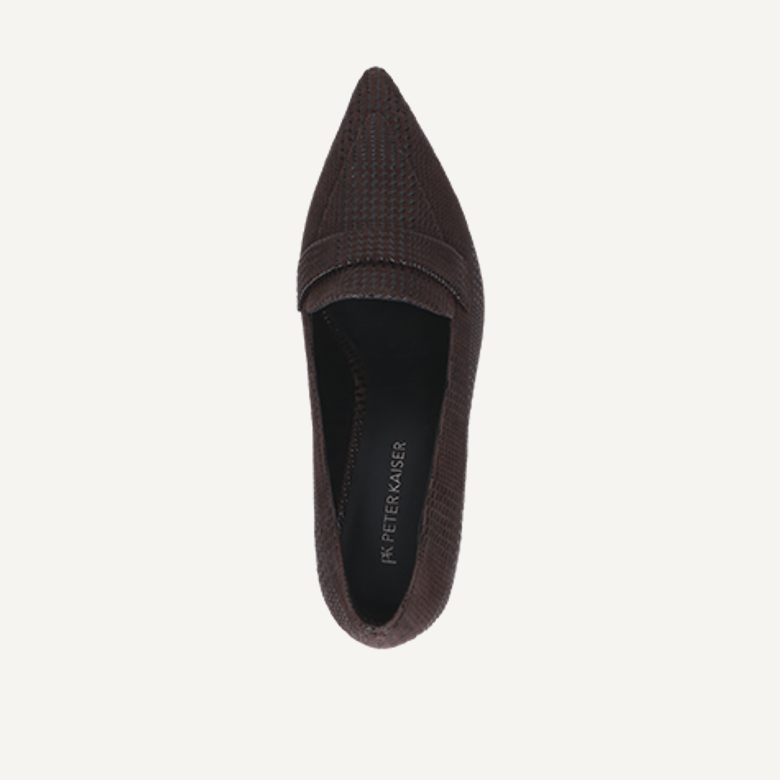
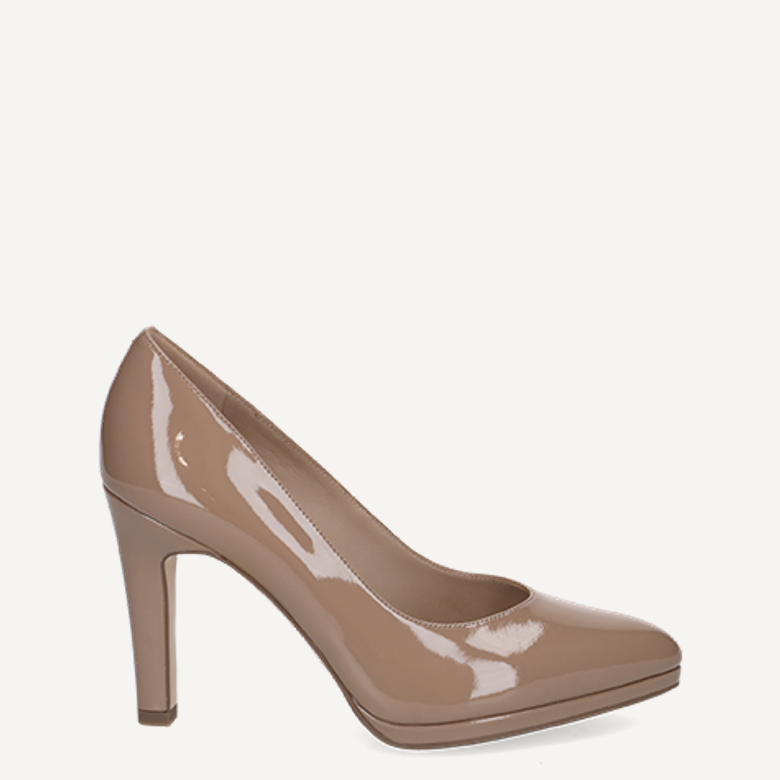
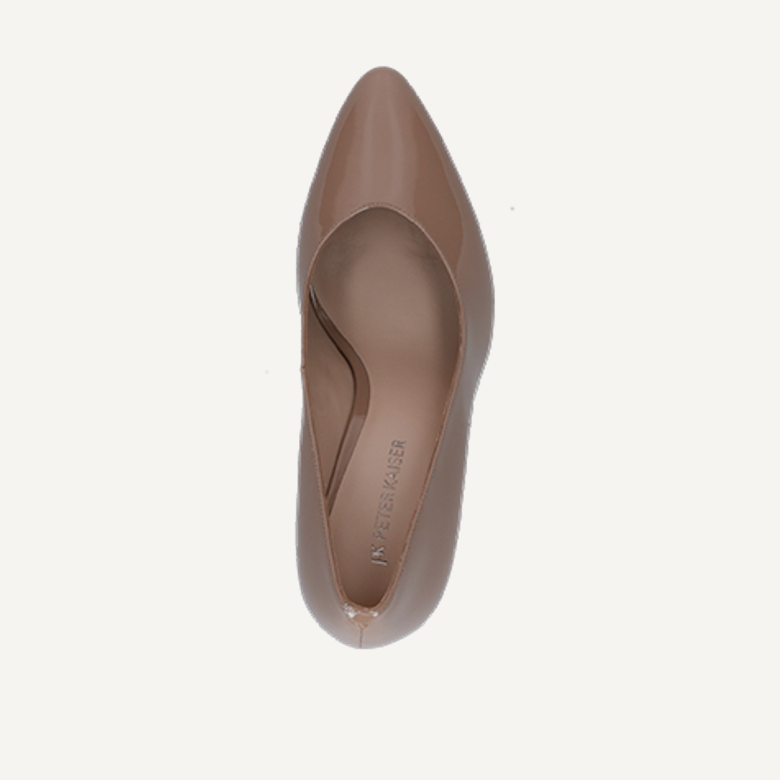
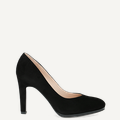
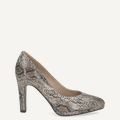
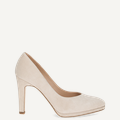
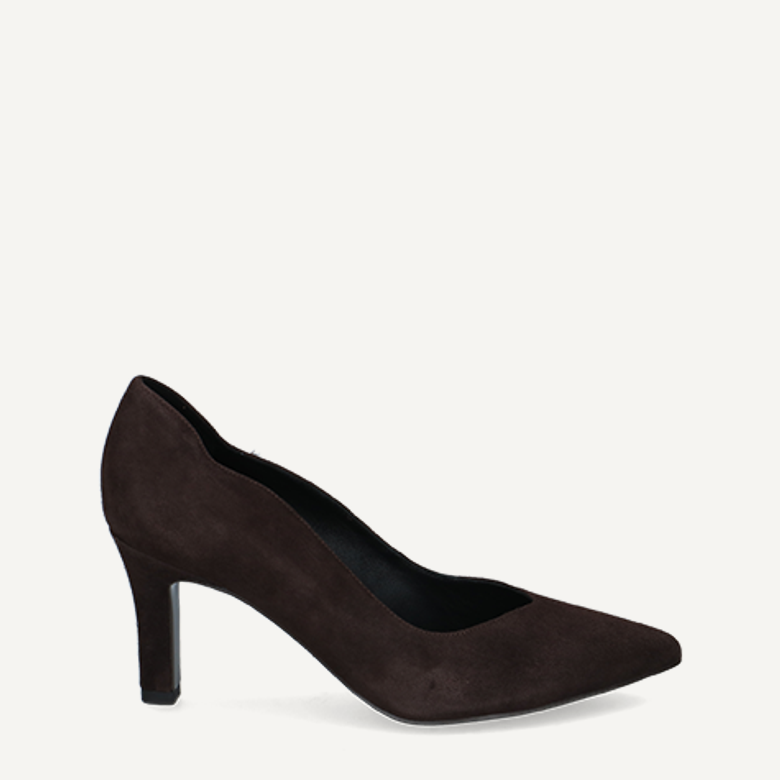
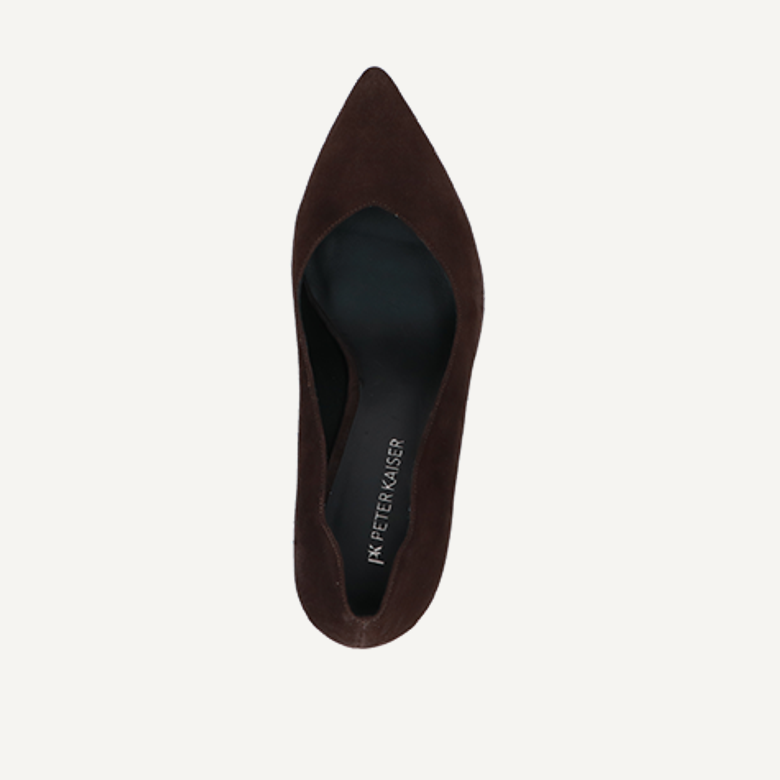
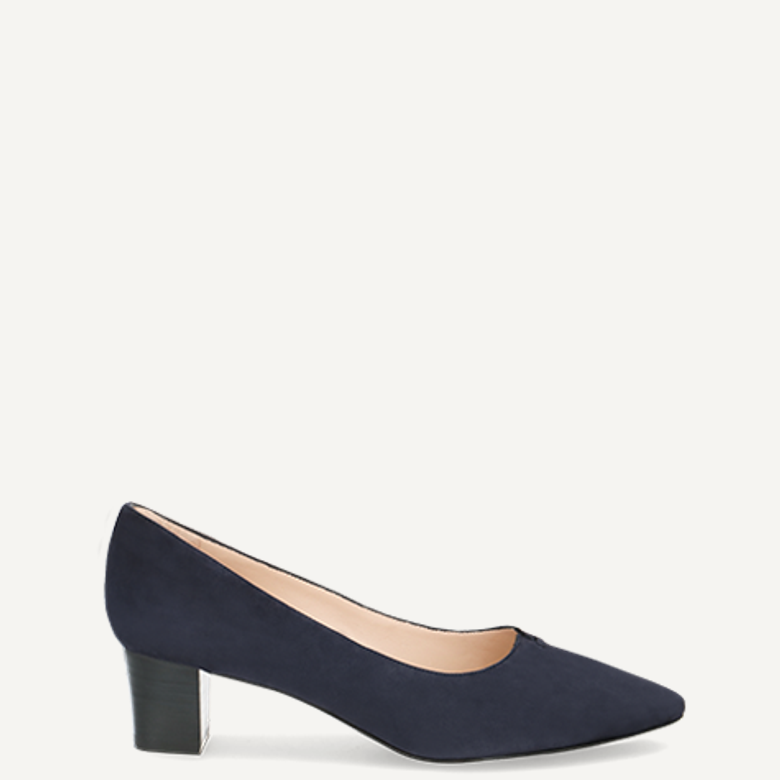
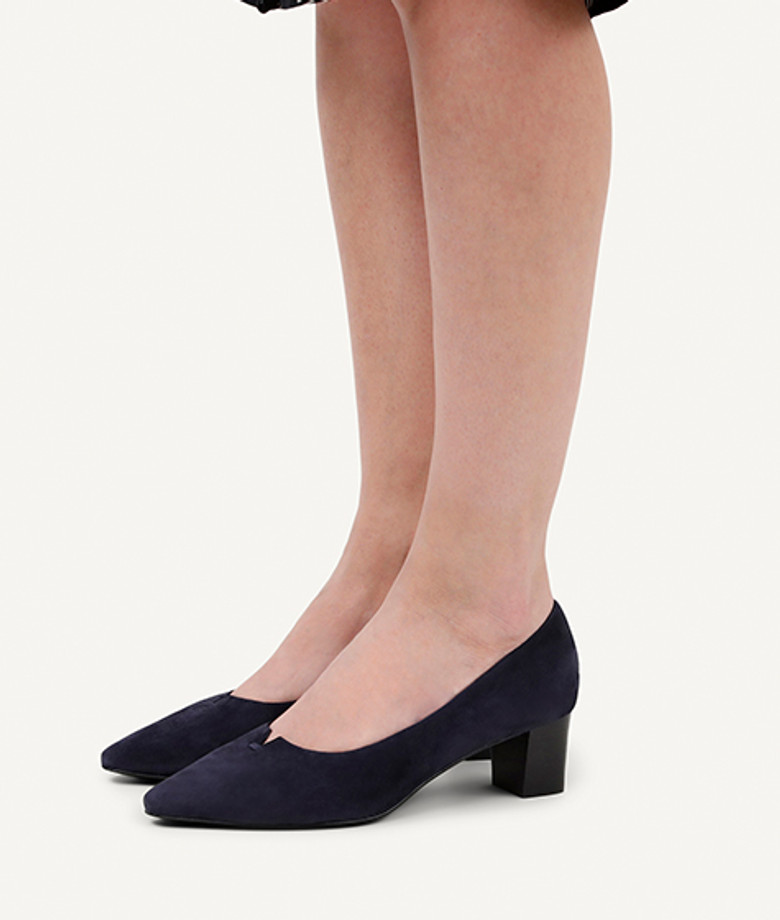
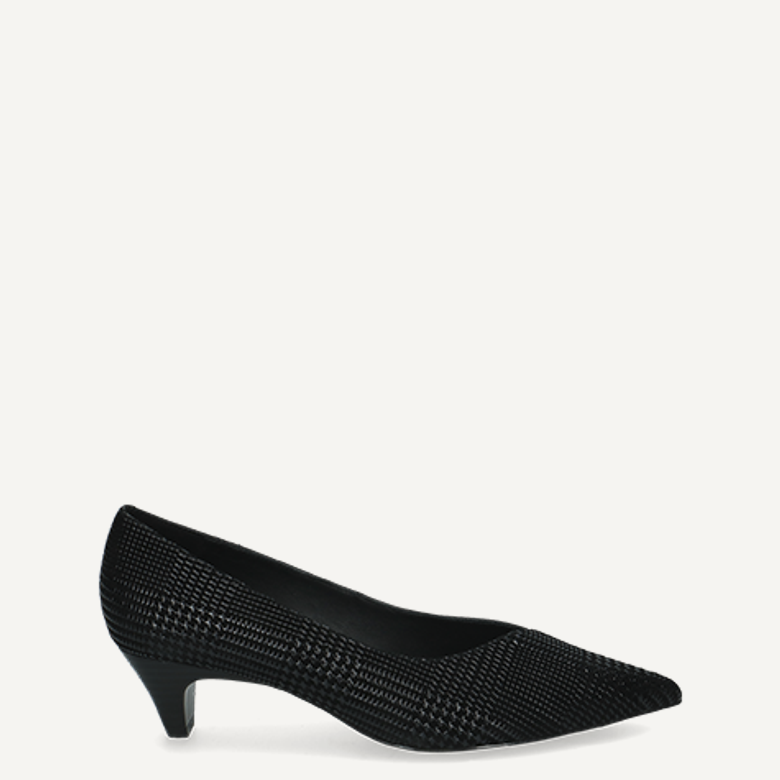
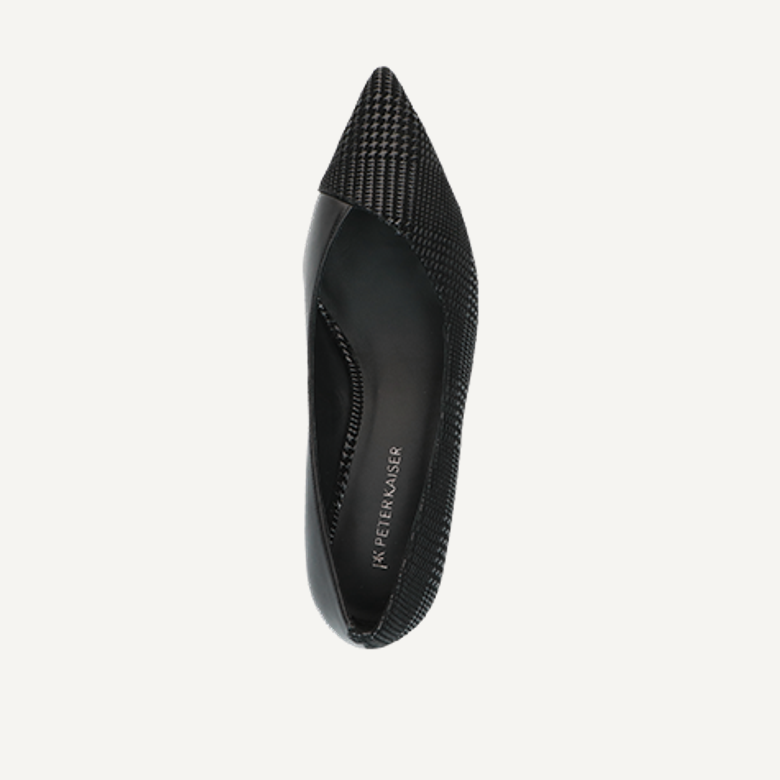
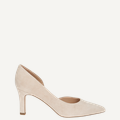
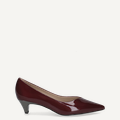
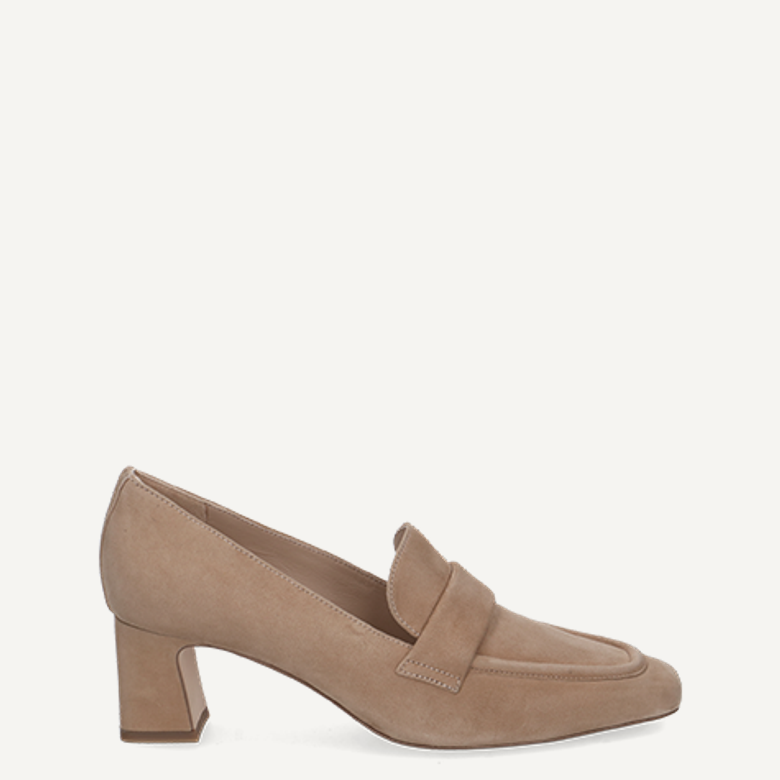
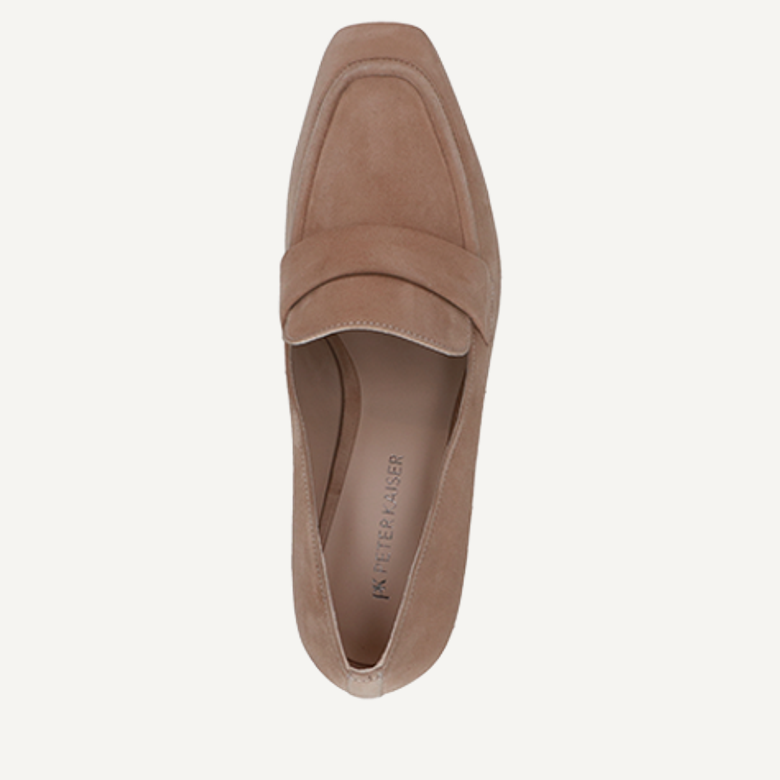
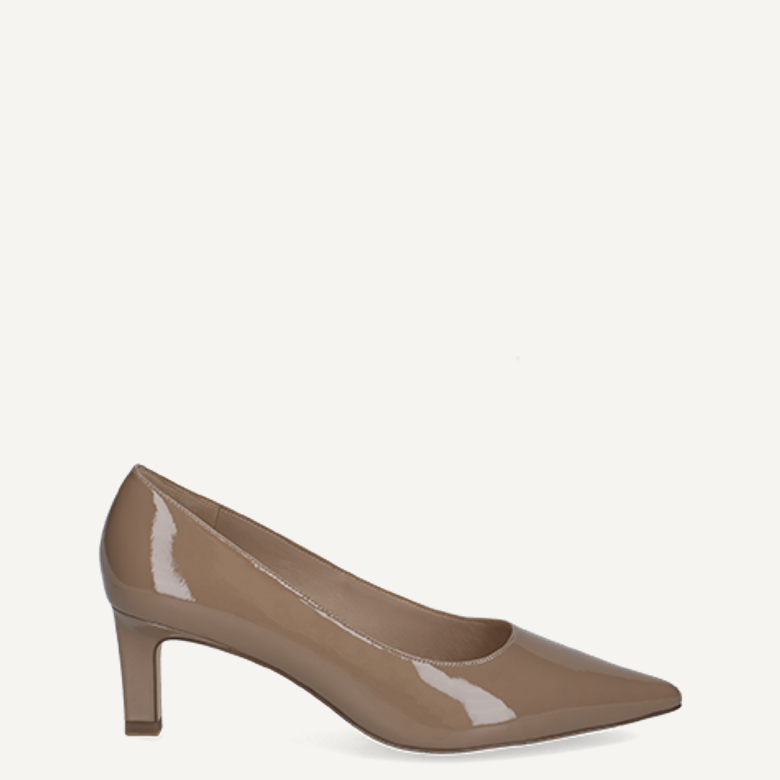
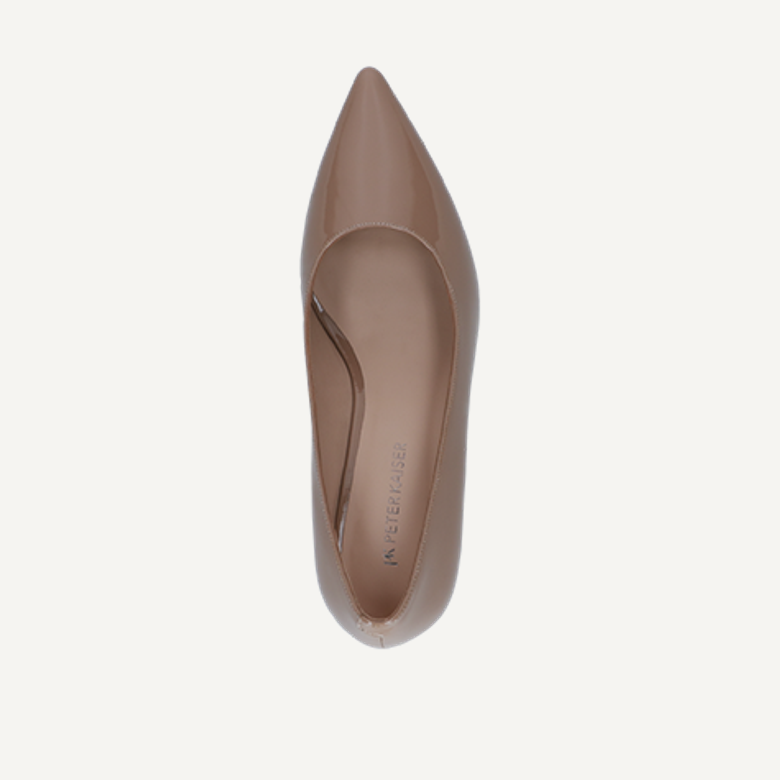
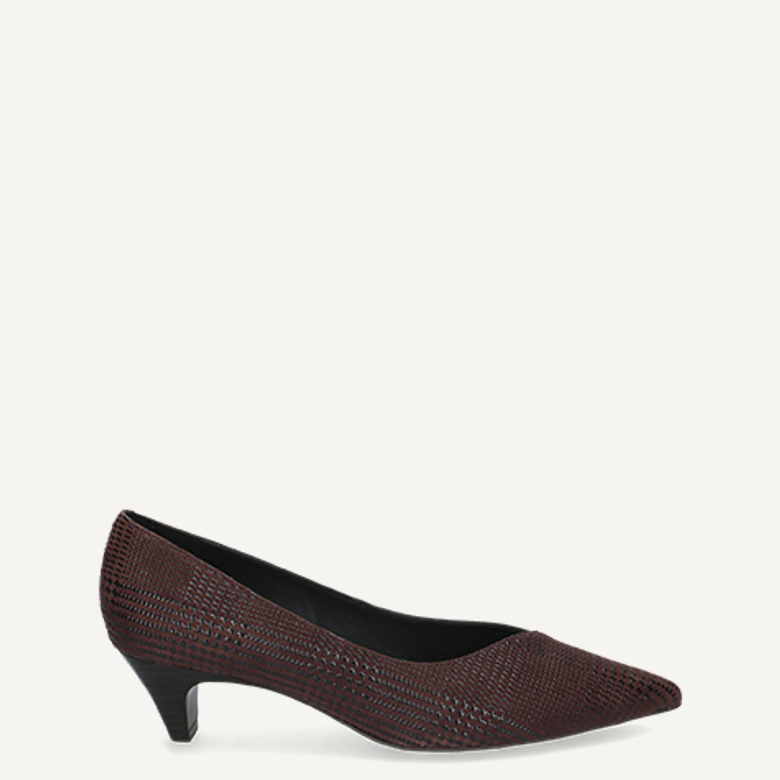
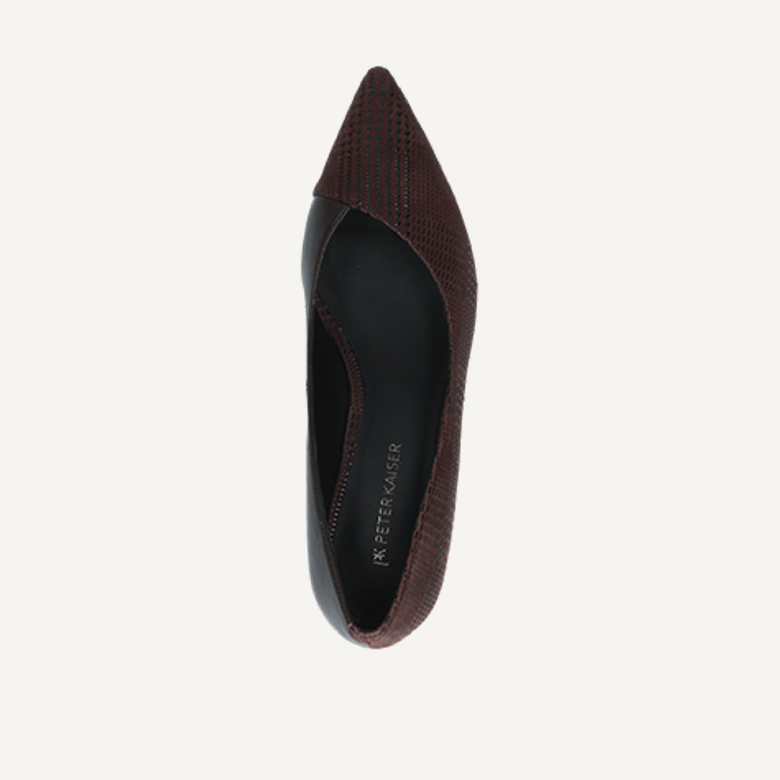
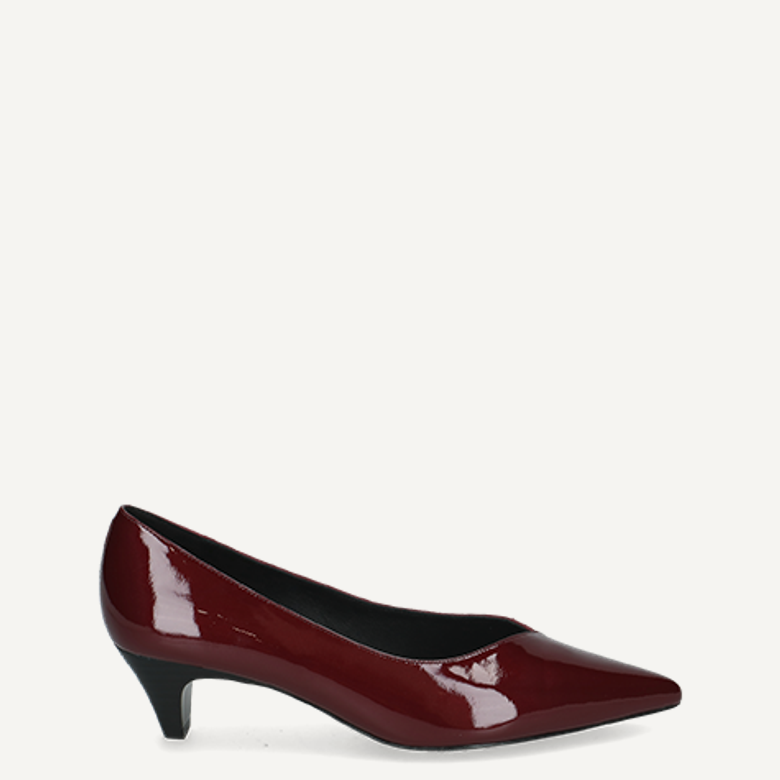
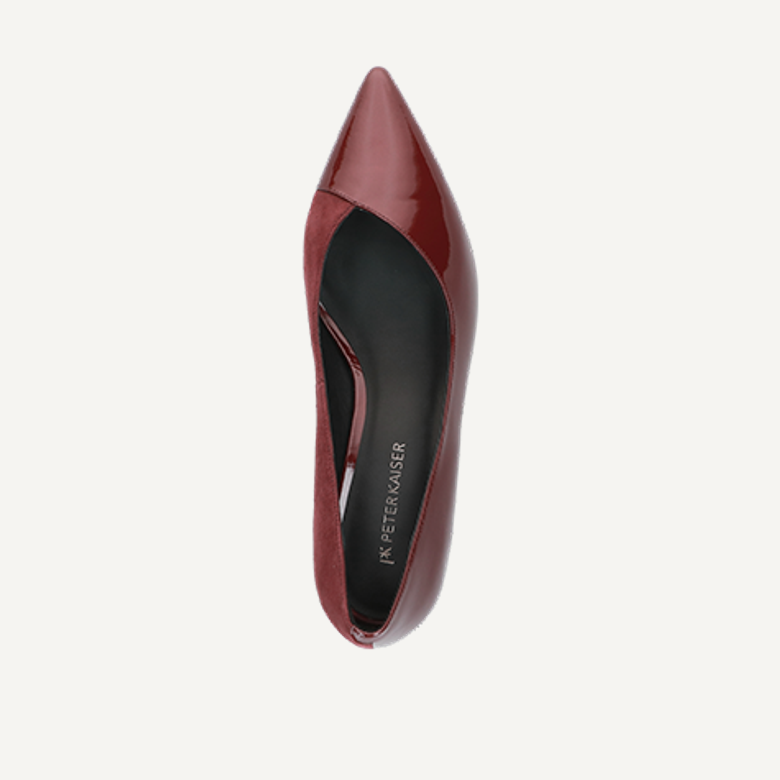
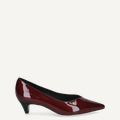
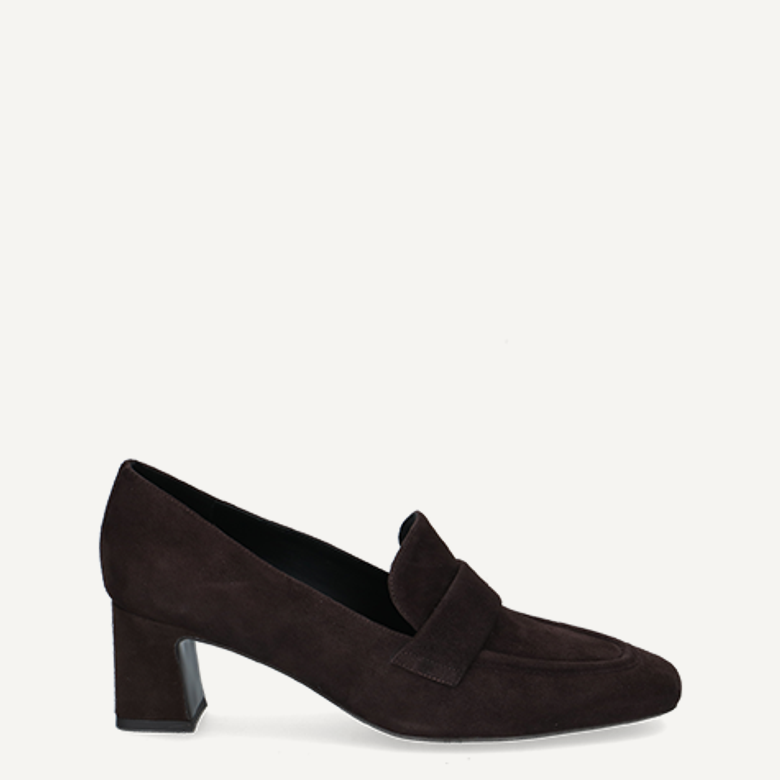
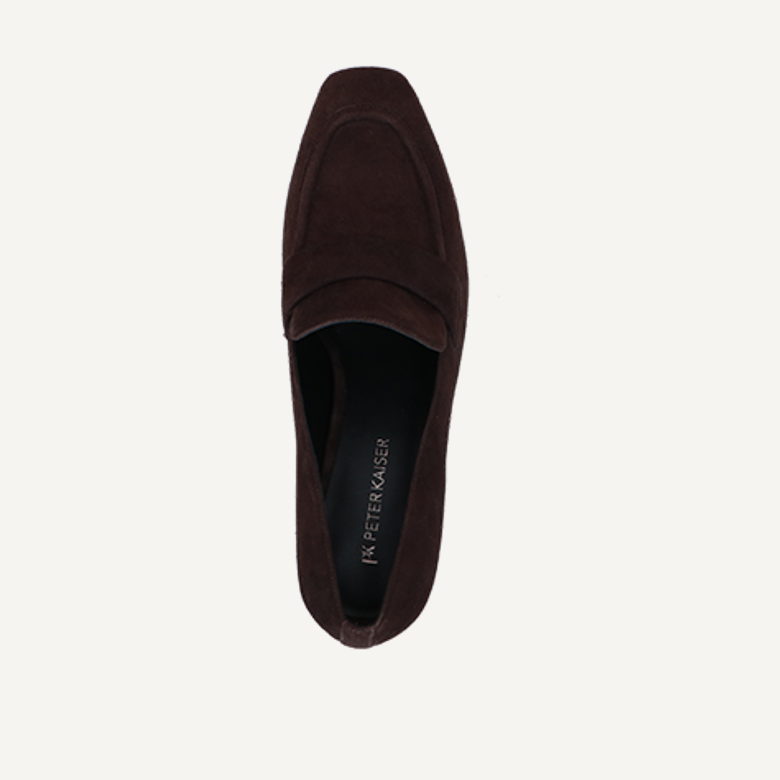
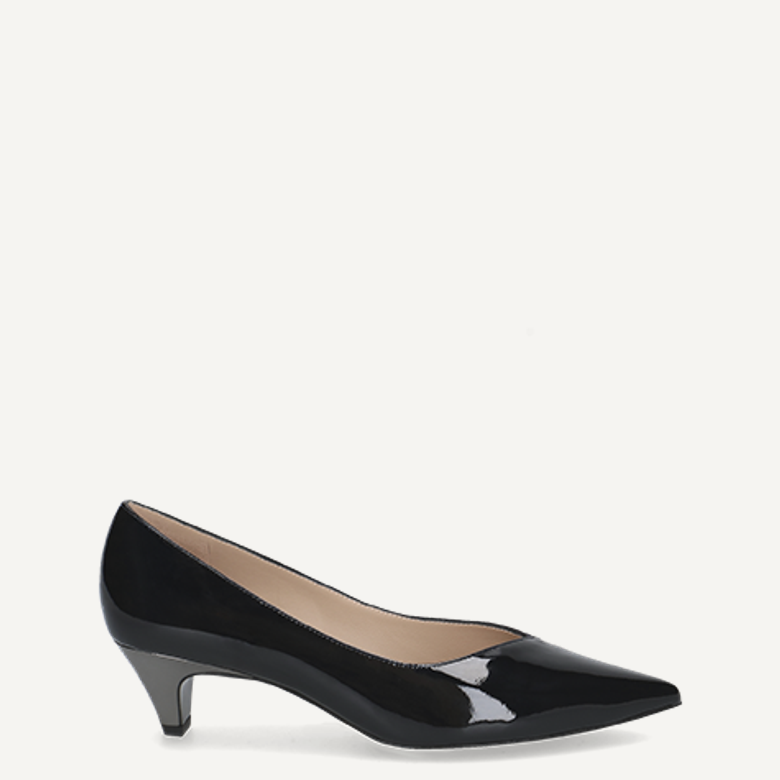
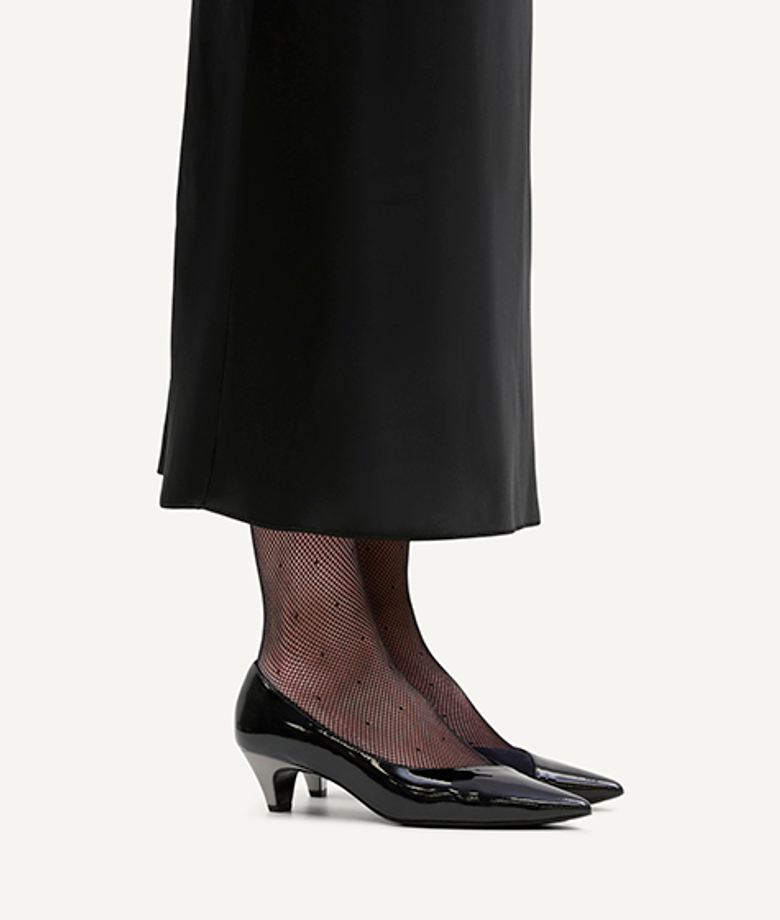
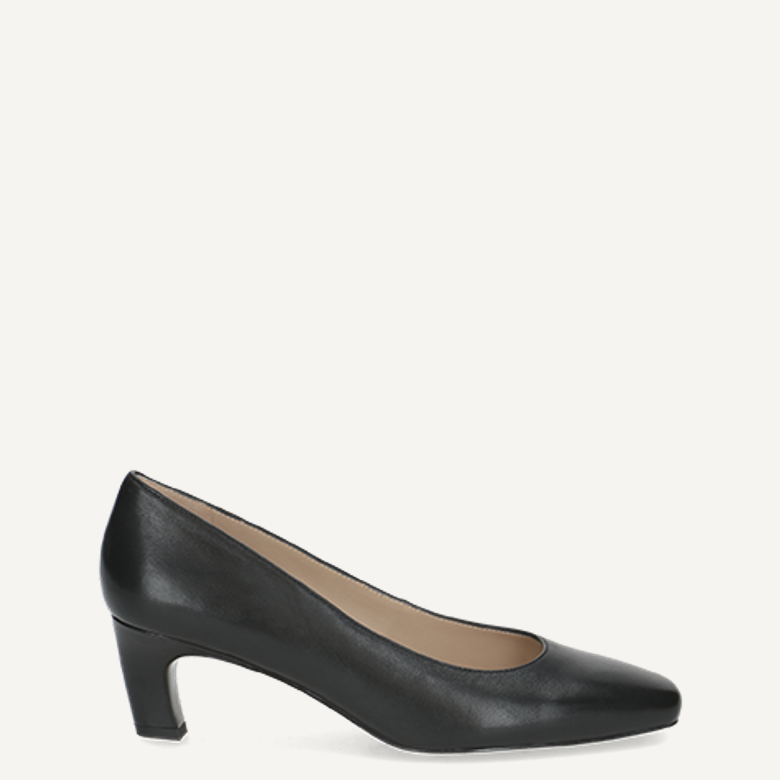
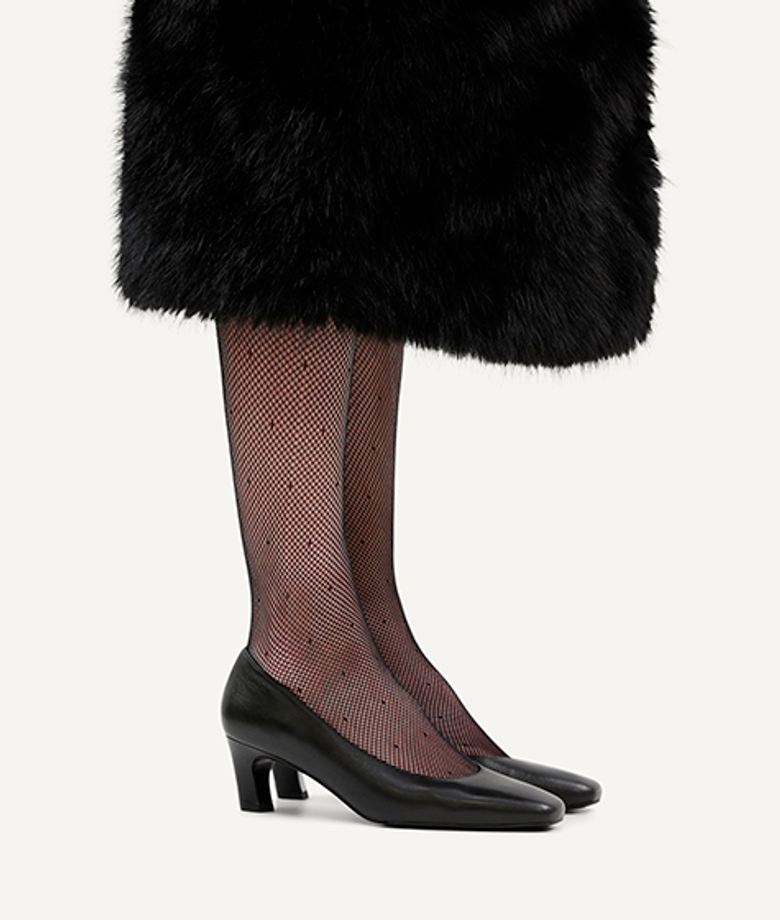
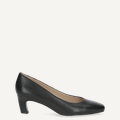
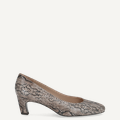
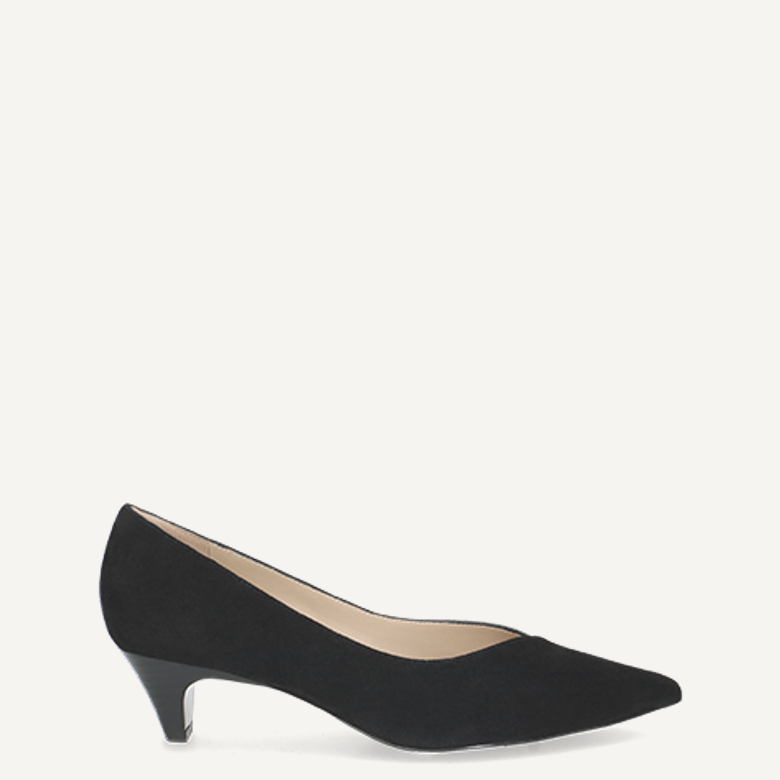
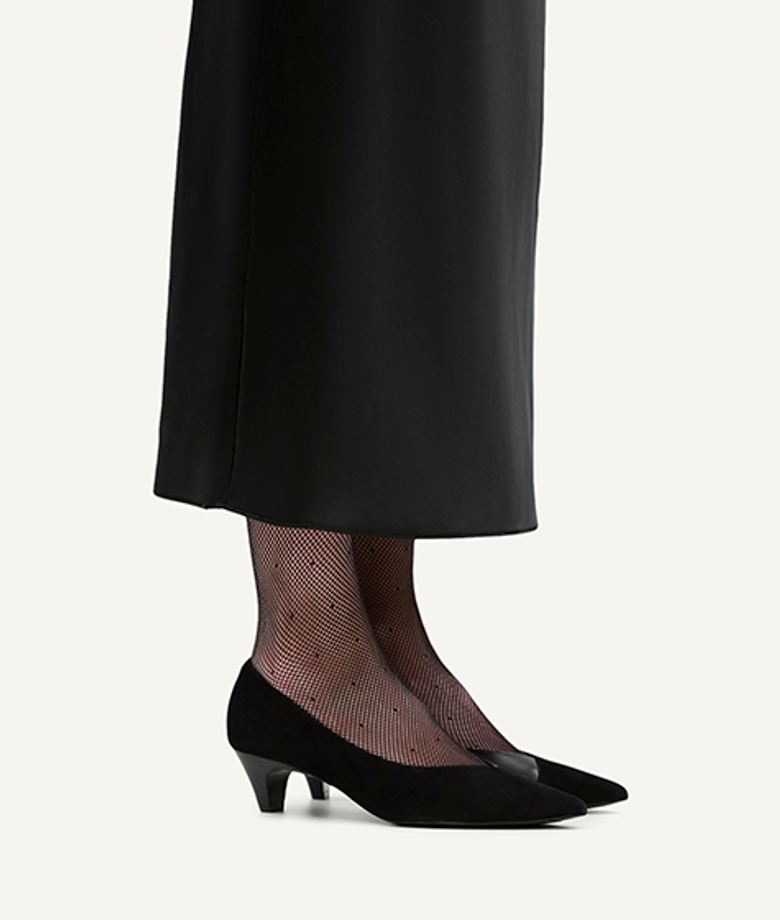
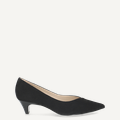
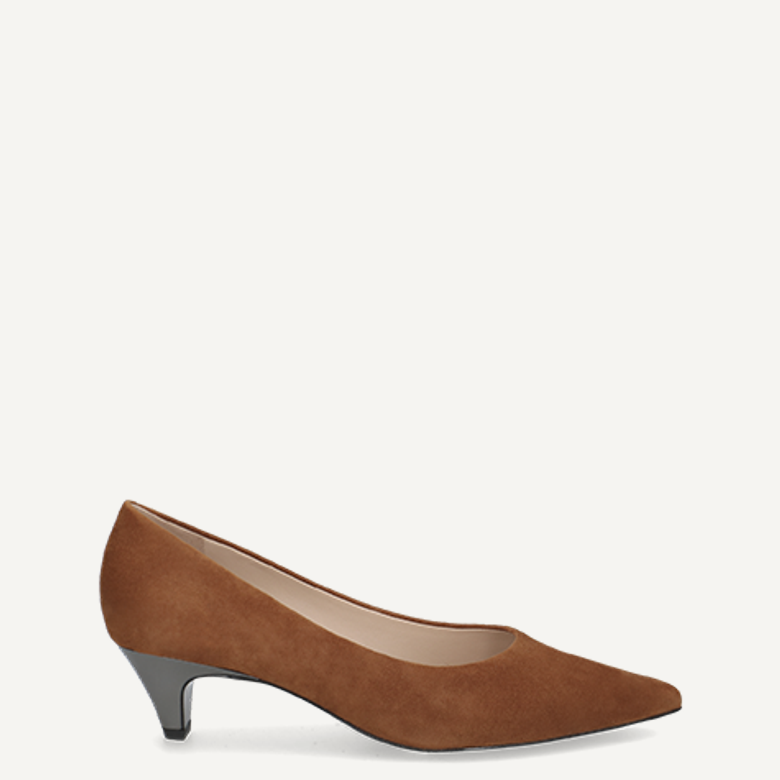
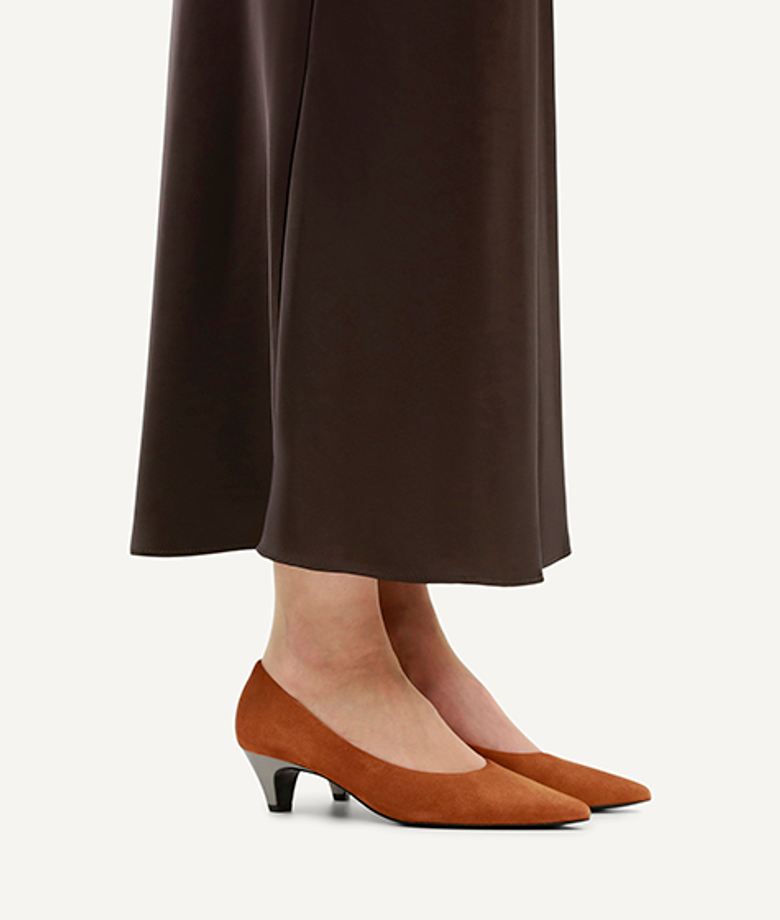
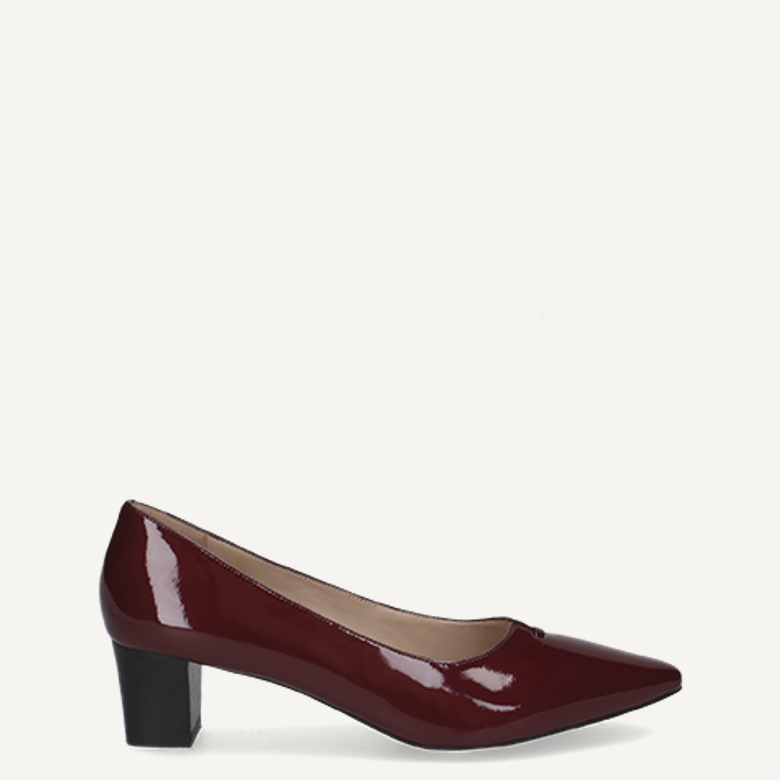
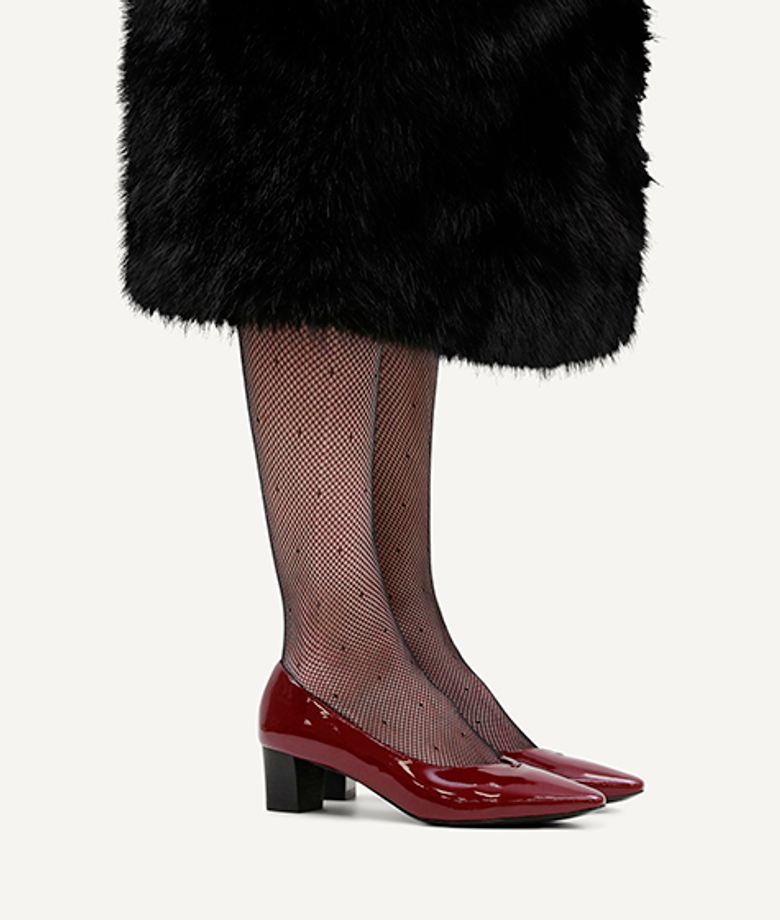
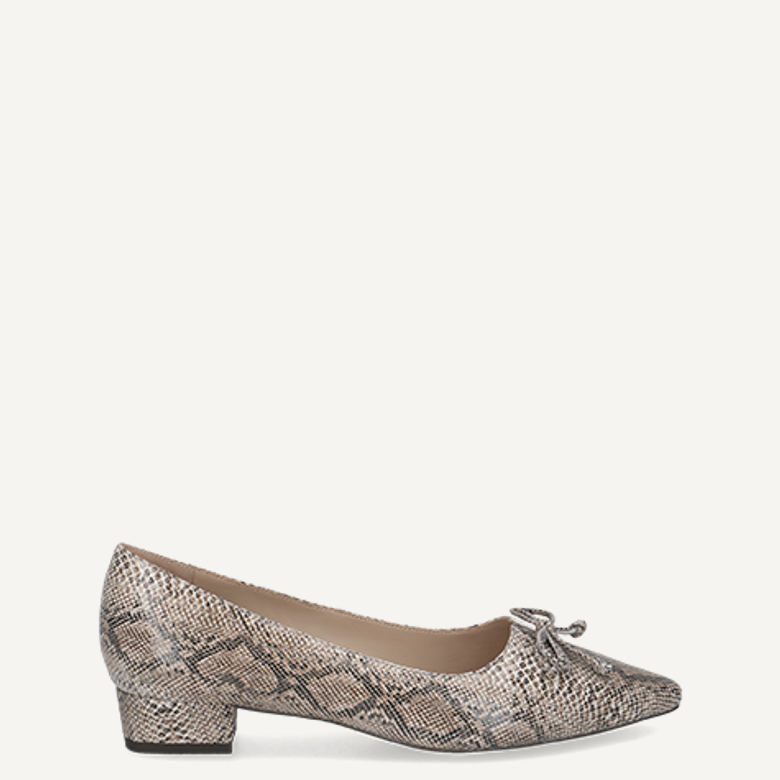
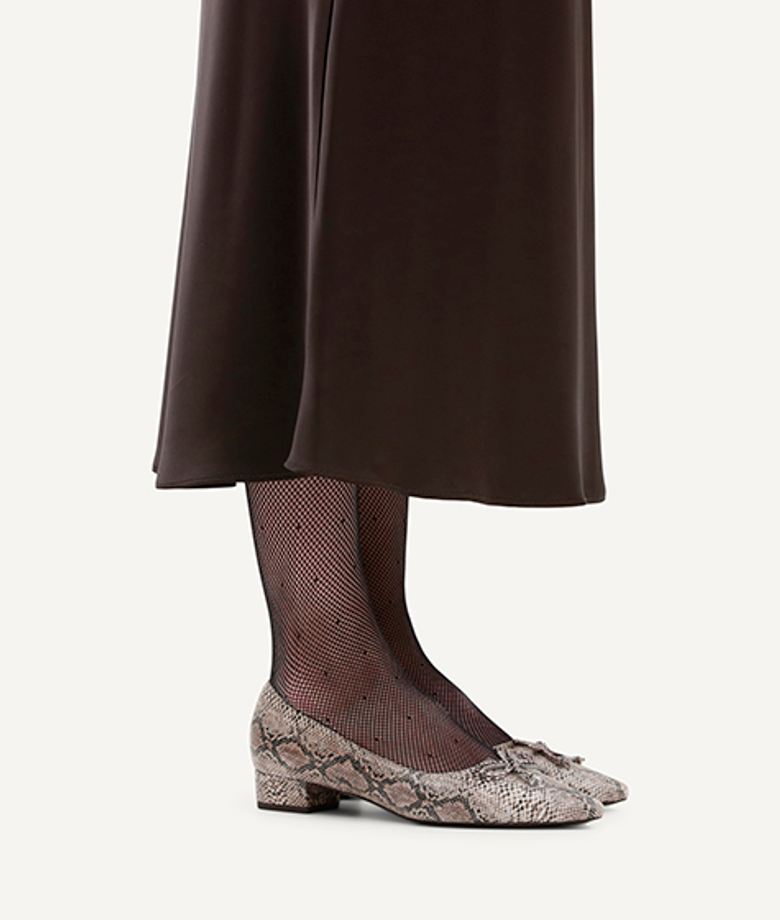
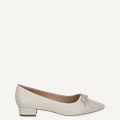
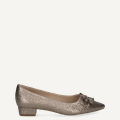
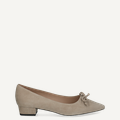
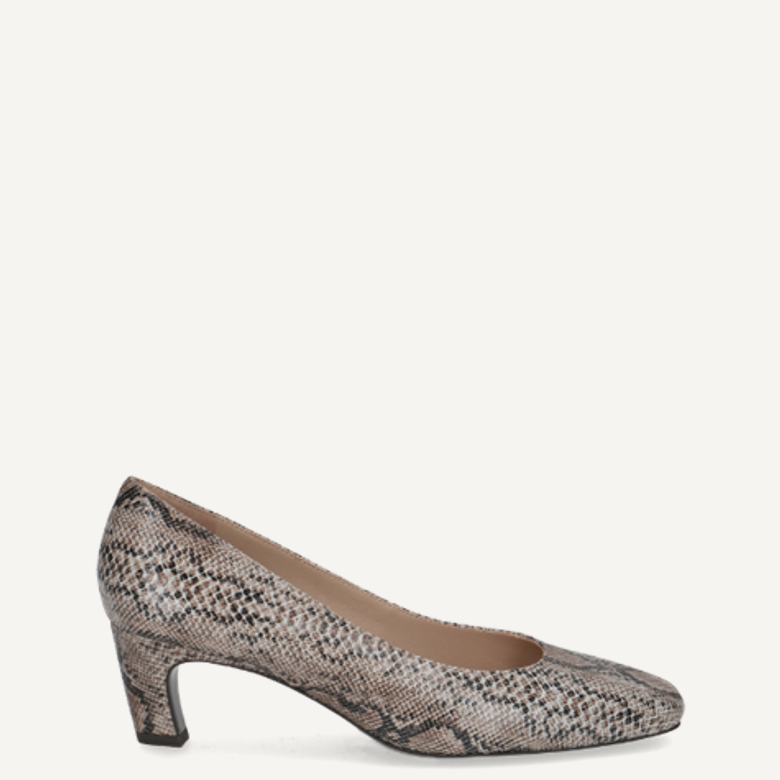
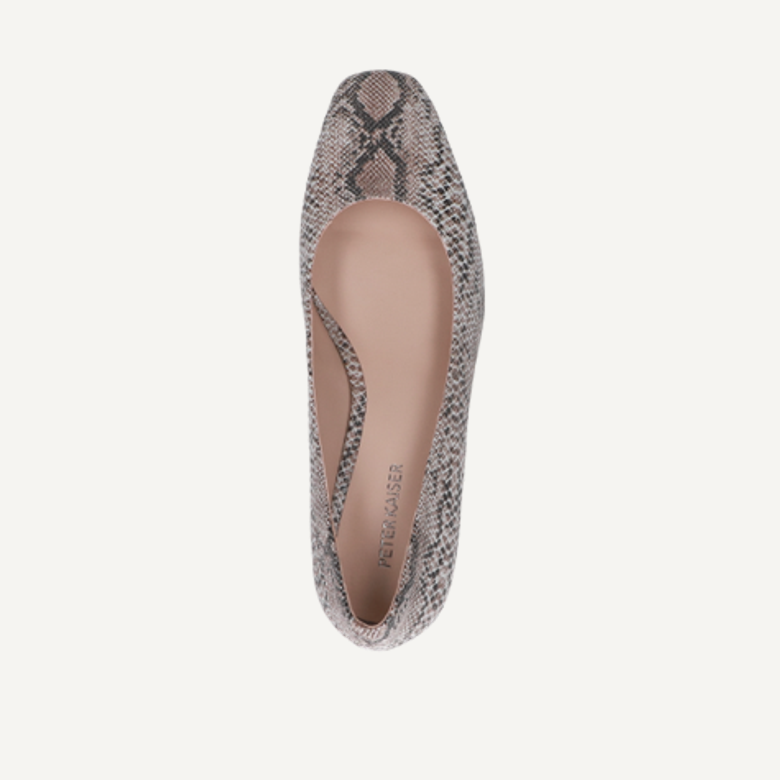
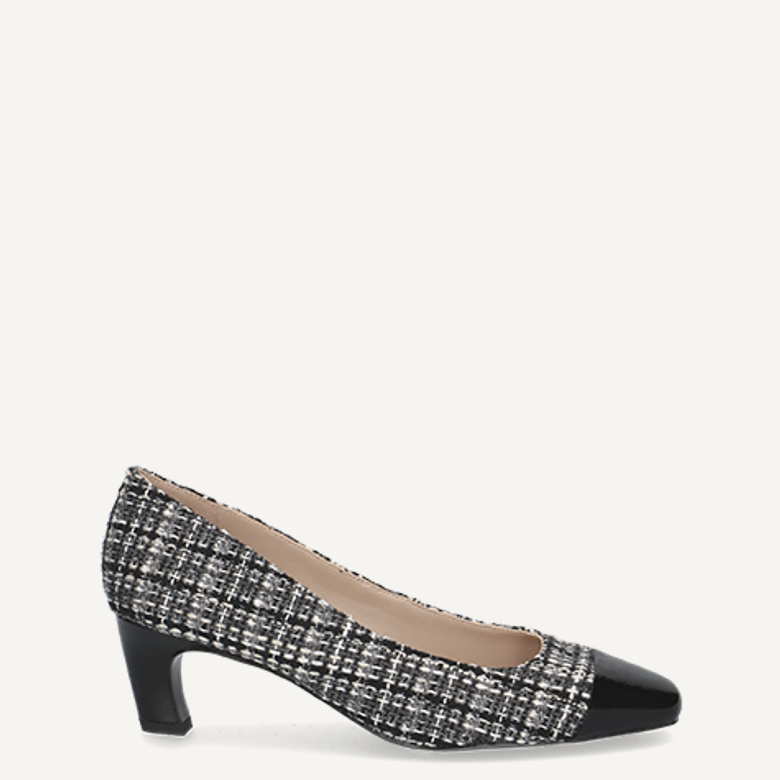
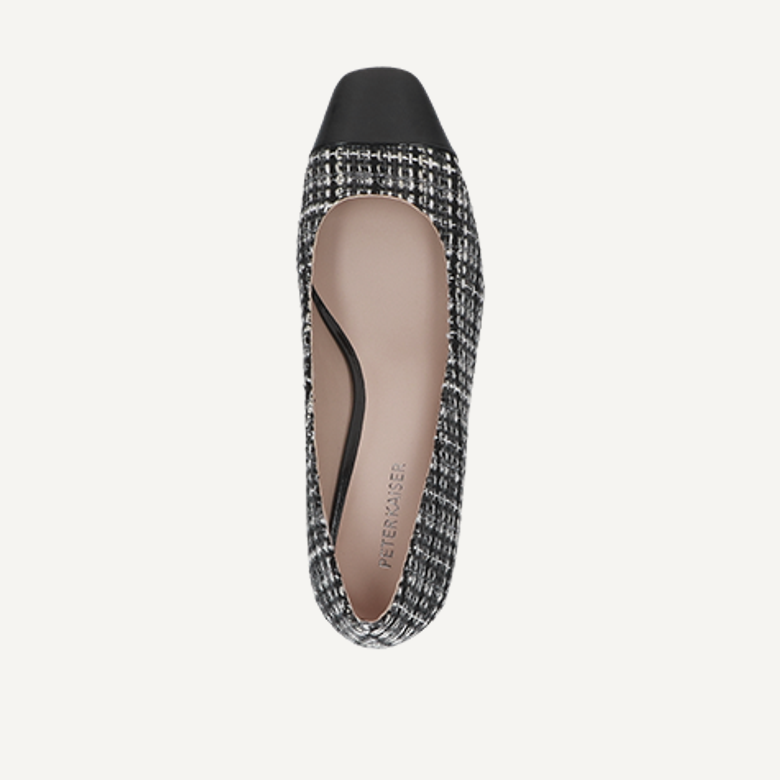
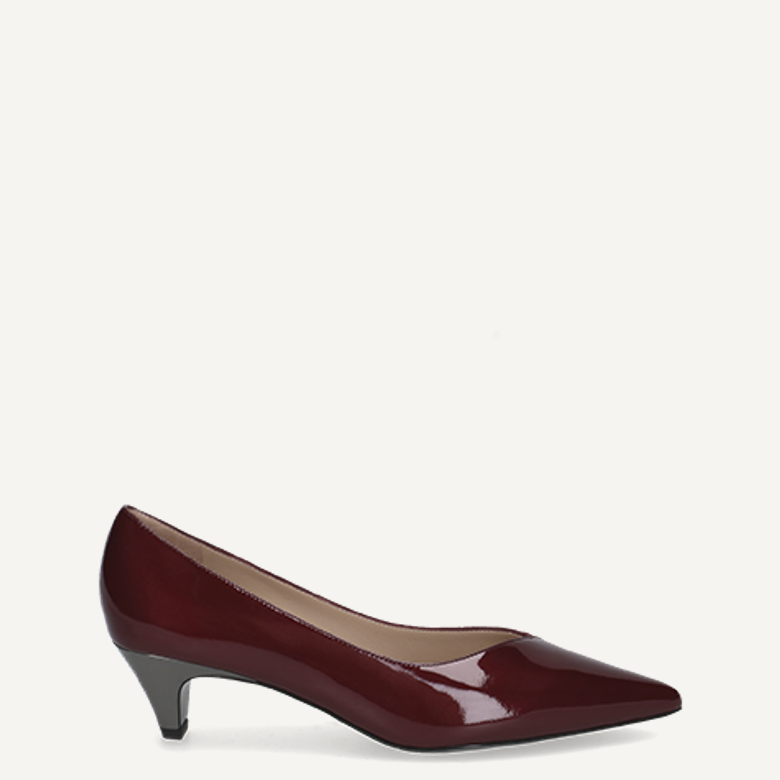
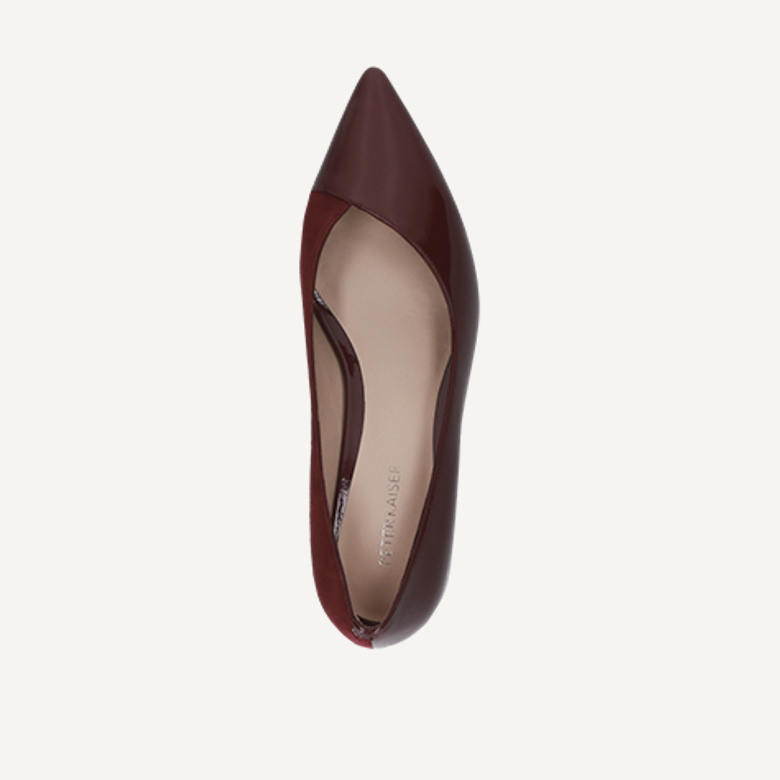
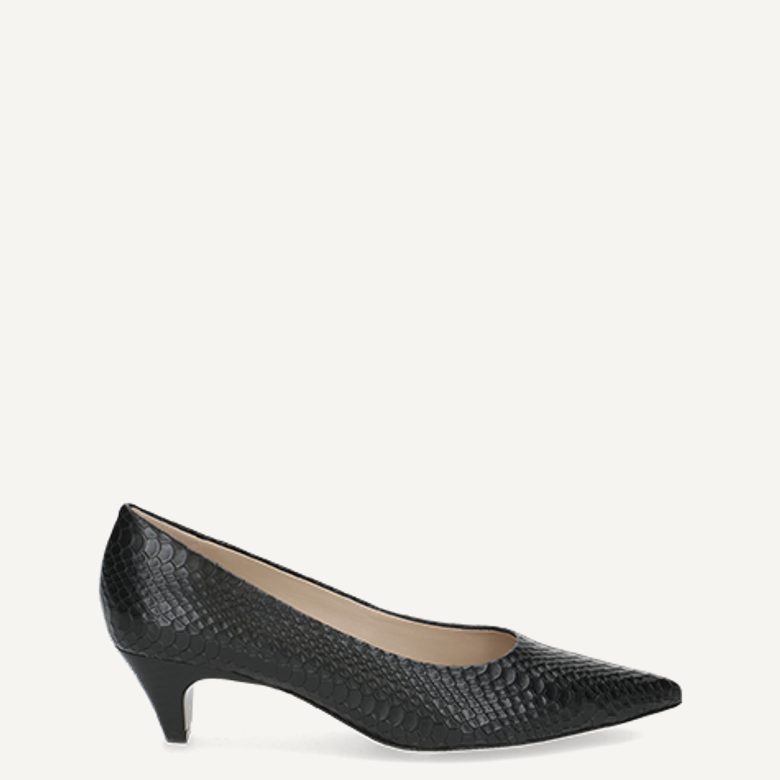
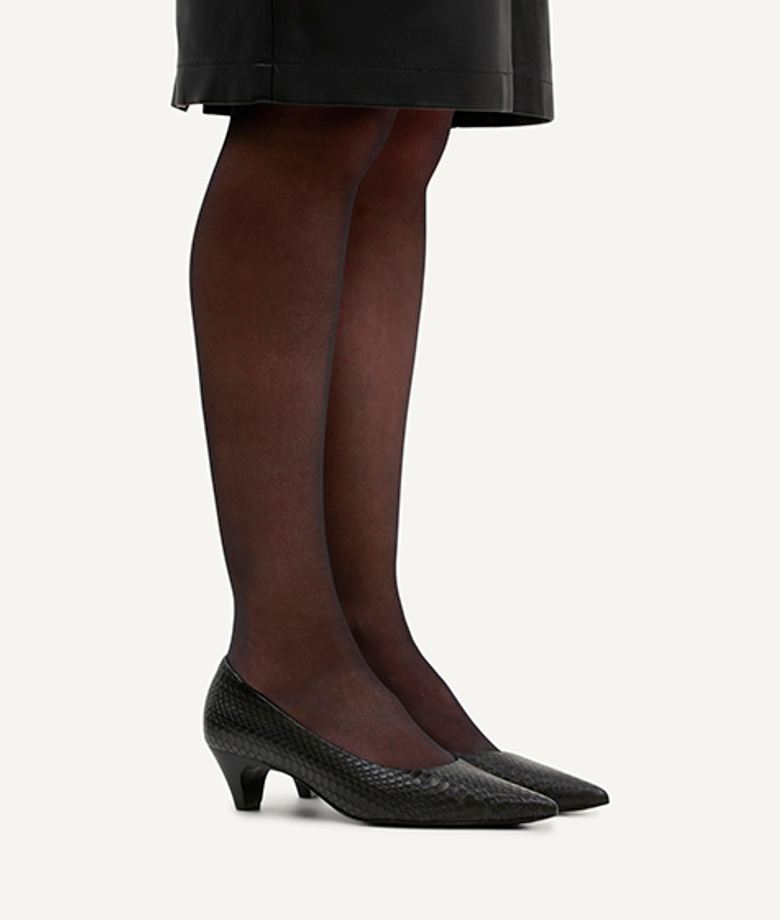
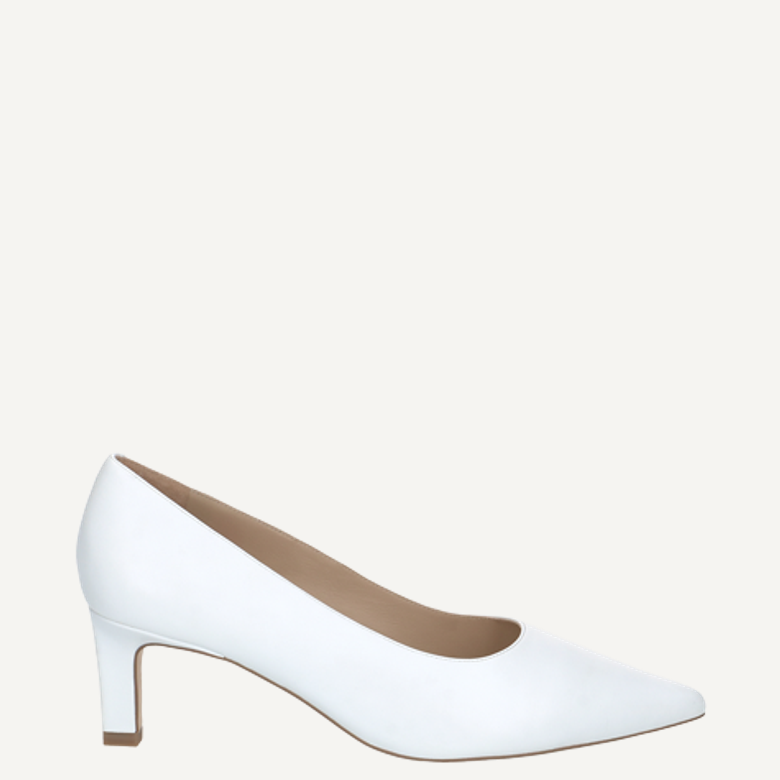
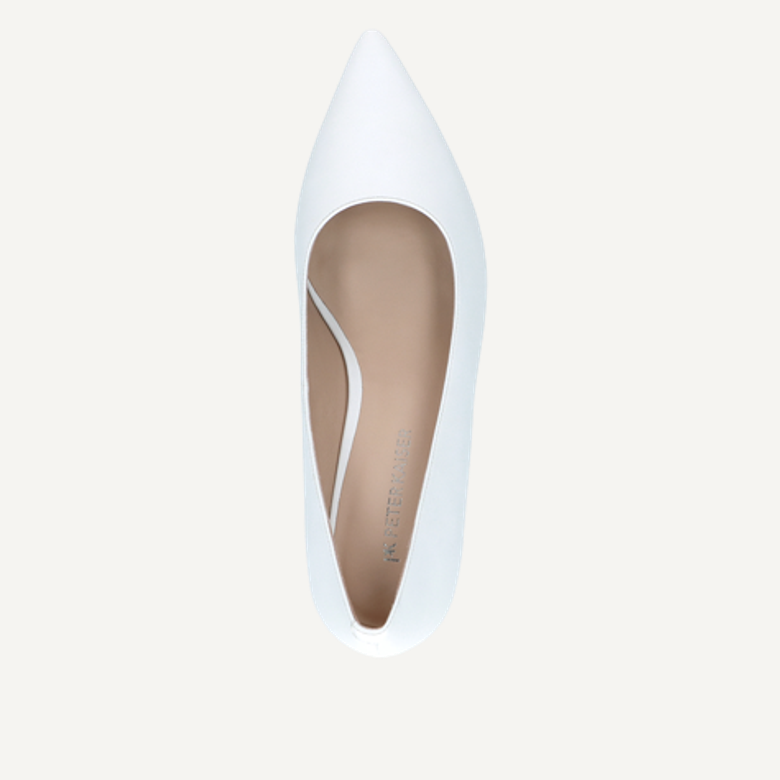
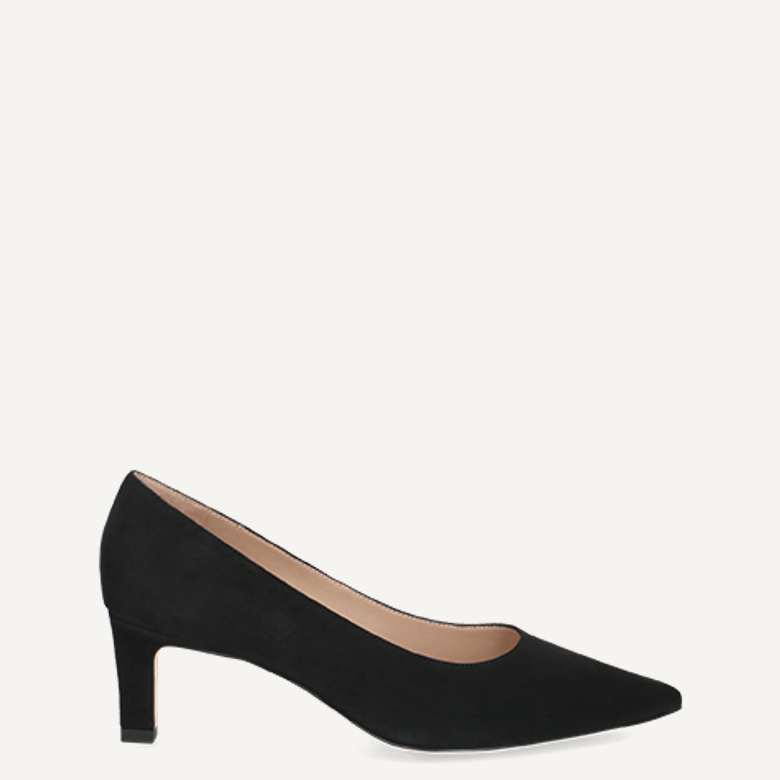
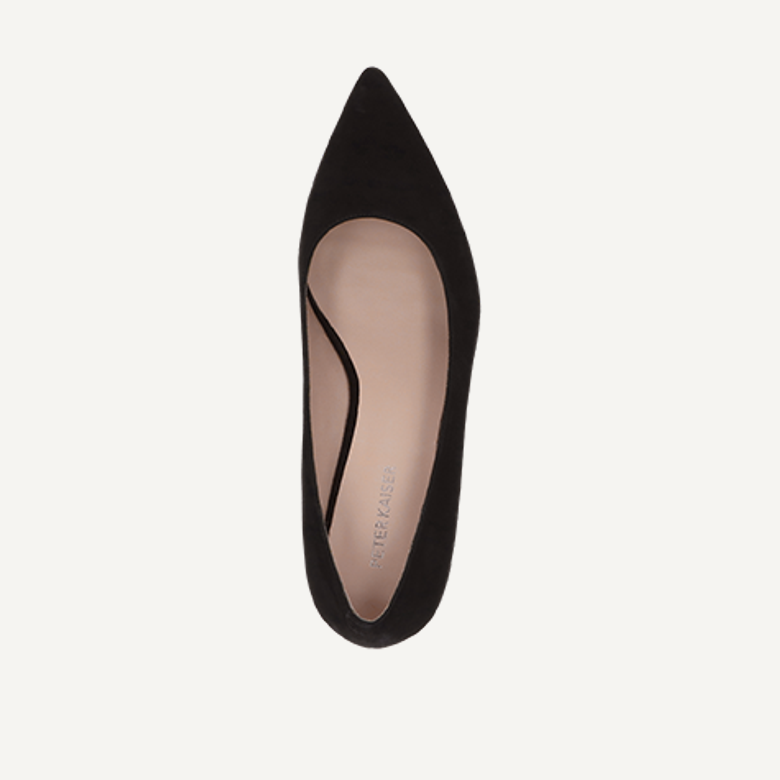
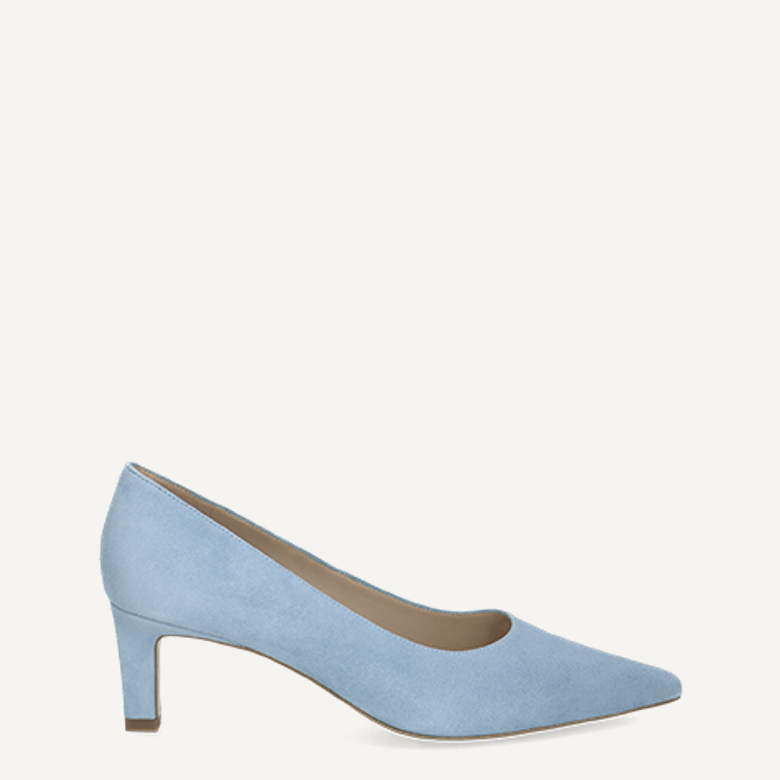
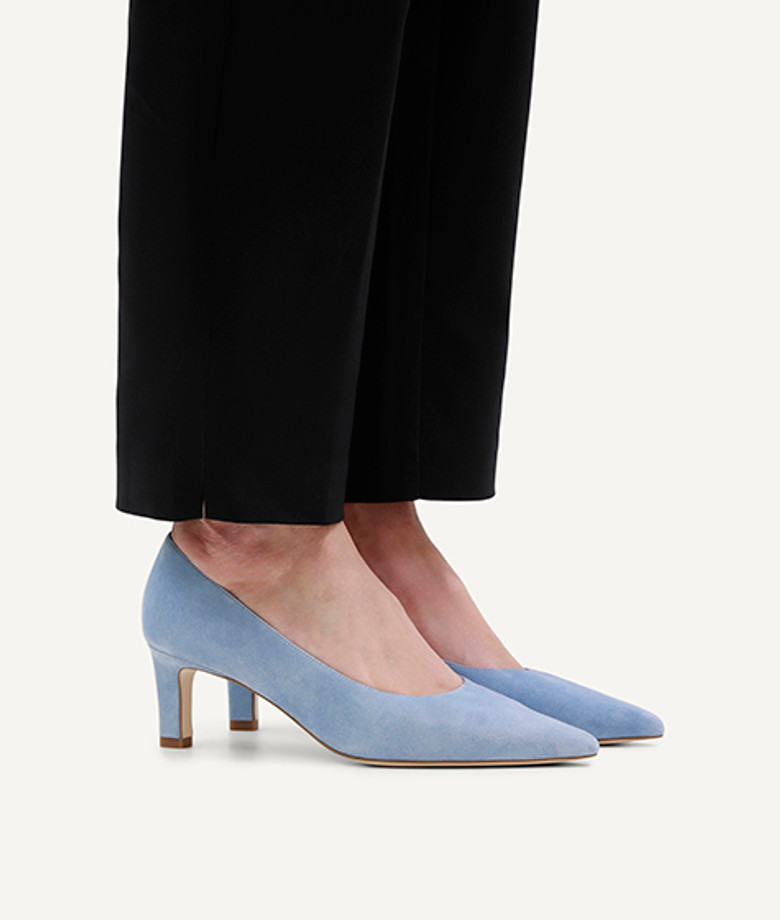
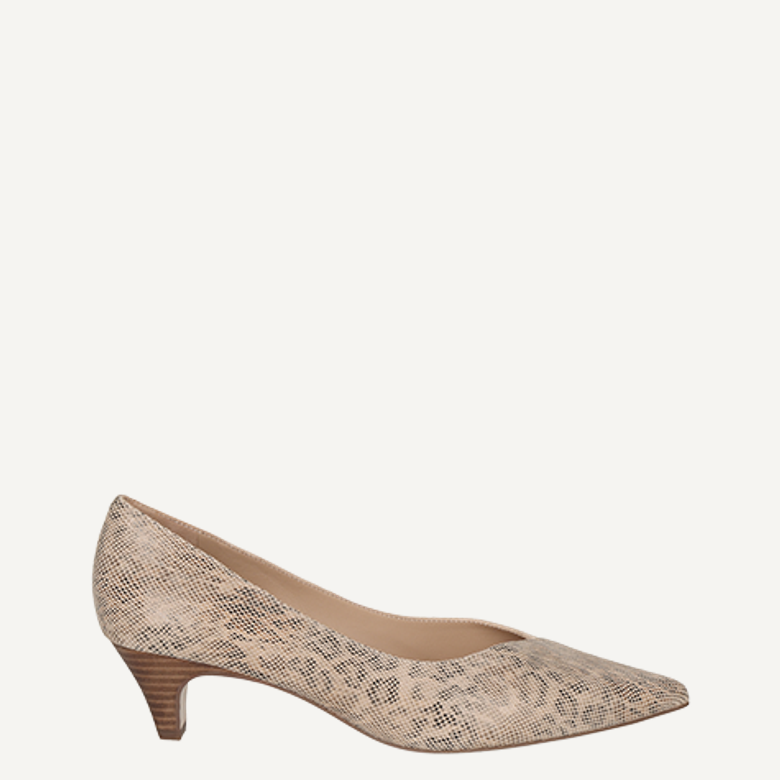
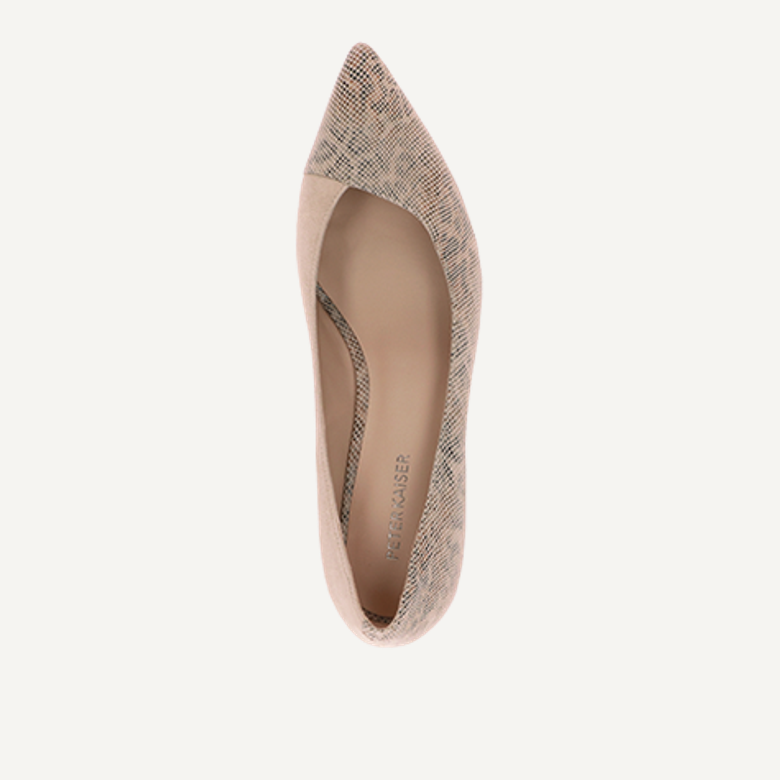
Comfortable pumps with flat heels
Comfortable pumps
Comfortable pumps combine an elegant look with a structurally balanced design. The key factor here is not just the heel height, but the interplay of last shape, heel position, and weight distribution. Only when these elements are precisely coordinated does the shoe remain stable and comfortable to wear, even over extended periods.
High-quality manufacturers work with precisely graded lasts, often including half sizes. This allows for a more nuanced fit. A contoured heel counter stabilizes the heel area and prevents the foot from shifting sideways or sliding upward in the shoe.
In addition, the integrated joint spring plays a central role. It is located between the insole and the outsole and stabilizes the midfoot area, particularly at the transition between the ball of the foot and the heel. This area experiences high stress when walking. A precisely positioned and sufficiently stable spring ensures that the shoe does not give way there and retains its shape.
What matters here is not only the presence of a hinge spring, but also the quality of its material and its design. A precisely tuned spring allows for controlled flexion in the midfoot area and supports static balance even under repeated stress. In practice, there are clear differences between simply designed models and high-quality pumps.
Flat & low heel
Heel heights ranging from about 3 to 5 centimeters are considered particularly balanced. They slightly alter posture without shifting weight heavily toward the forefoot. This keeps the gait natural while subtly elevating the silhouette.
A low heel reduces pressure on the ball of the foot compared to higher models. At the same time, the typical silhouette of a pump is preserved. These heights are often chosen when elegance and everyday practicality are equally important.
Heel heights up to 3 cm in detail
Even at around 3 centimeters, a slightly elevated stance is achieved. Posture straightens slightly without a noticeable change in weight distribution. The foot remains relatively flat in the shoe, keeping pressure on the forefoot low.
This height is particularly suitable for extended wear with plenty of movement or for days spent primarily walking.
Heel heights up to 5 cm in detail
Up to about 5 centimeters, the balance between visual appeal and functional wearability is maintained. Body tension increases slightly, and the gait appears more defined without a significant increase in pressure in the ball of the foot.
Many people find this range to be a good compromise between flat everyday heels and classic business heels.
Which pumps are comfortable to walk in?
Pumps with a well-balanced structural design are comfortable to walk in. Key factors include a stable heel position, sufficient space in the forefoot area, and a slip-resistant outsole. More important than the sheer heel height is the way body weight is distributed and guided within the shoe.
Low to medium heel heights are considered easy to wear, as the weight shift remains moderate. However, this does not mean that higher models are inherently less wearable. In high-quality construction, the last angle, ball support, and heel base are precisely coordinated. This allows for a controlled rolling motion even with higher heels.
As the heel height increases, body weight shifts more toward the forefoot. Steps are taken more deliberately, and foot movement becomes more linear. This altered dynamic requires a slightly adjusted gait, but is easily manageable if the shoe is well-balanced.
What matters is not so much the heel height in centimeters as the structural quality of the model. Even with higher heels, the structural design determines whether walking is safe and controlled.